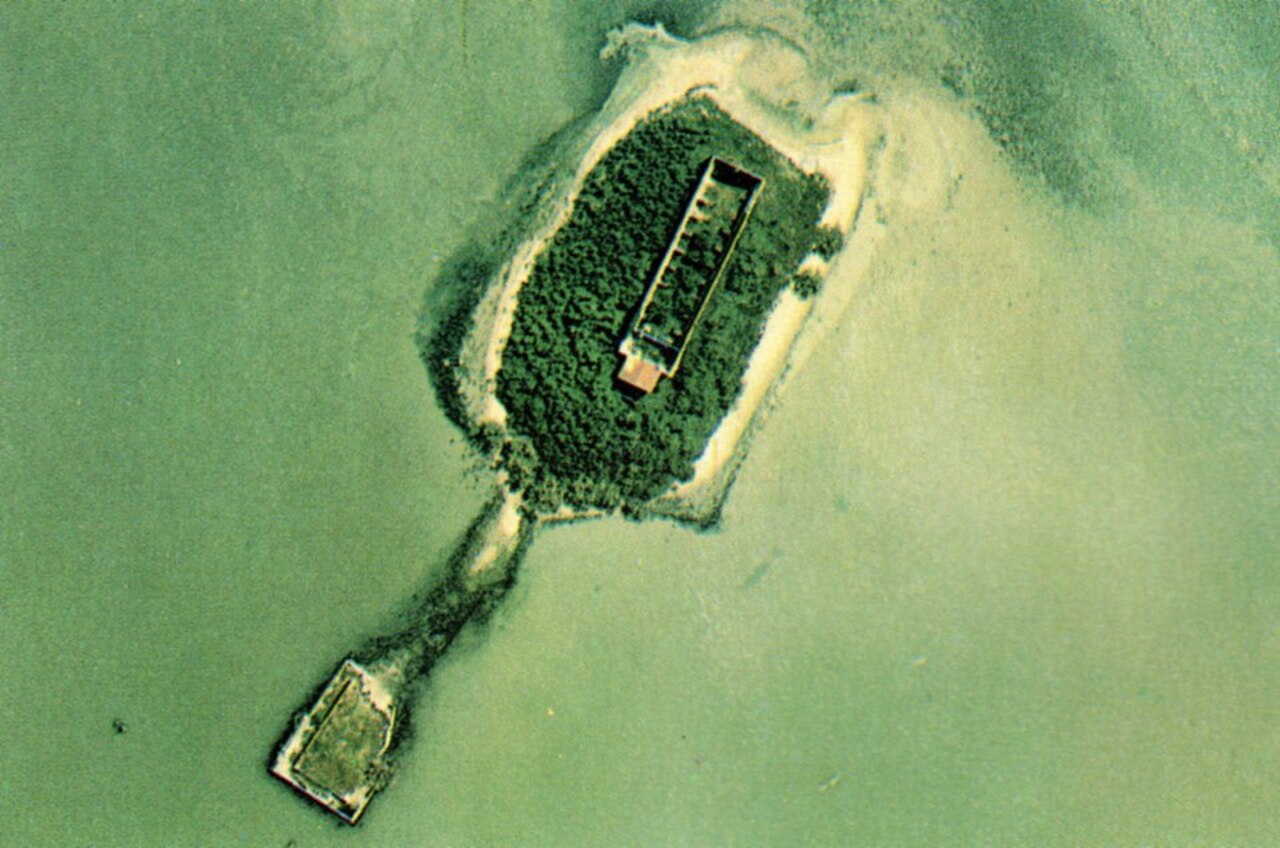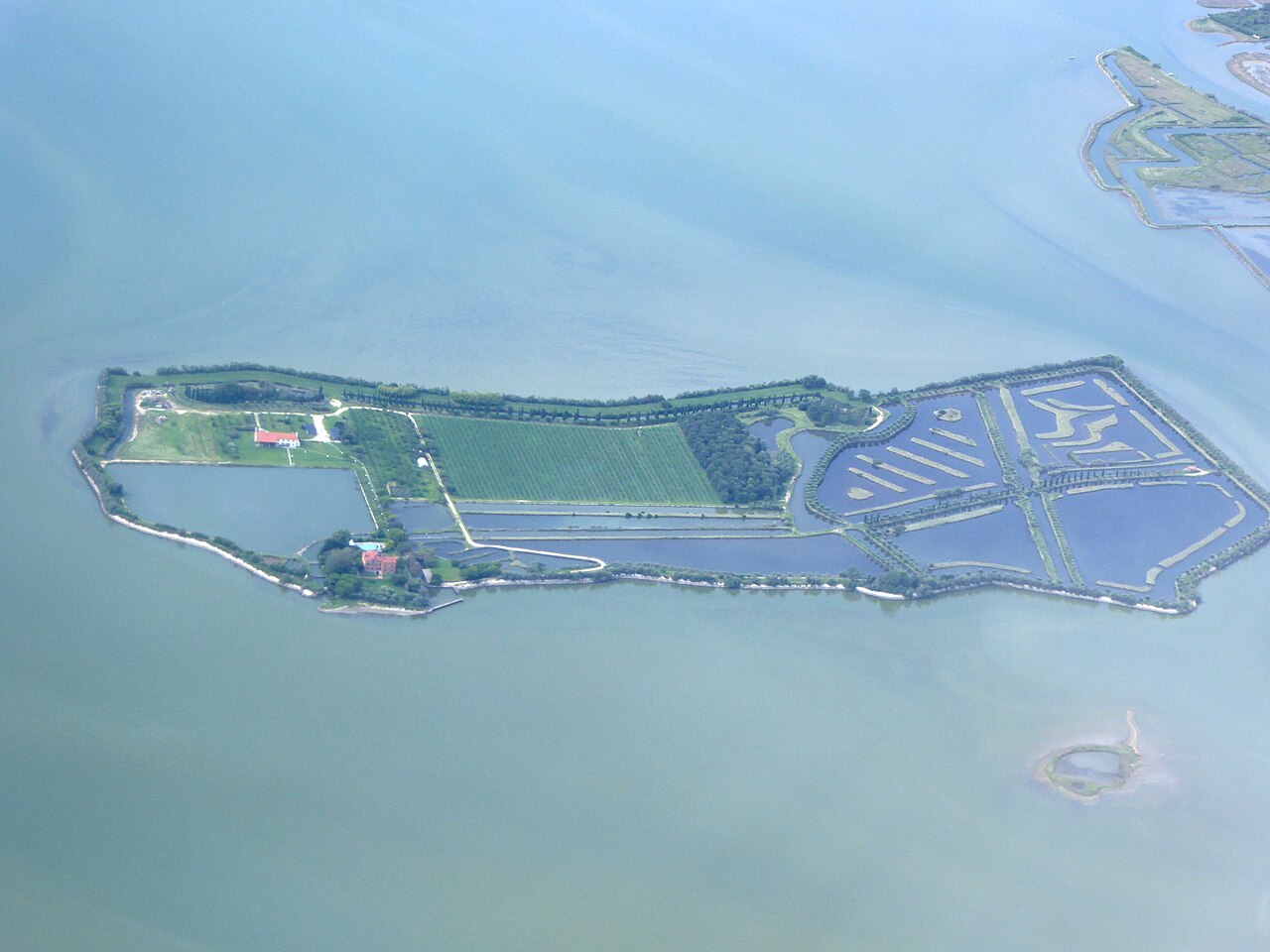
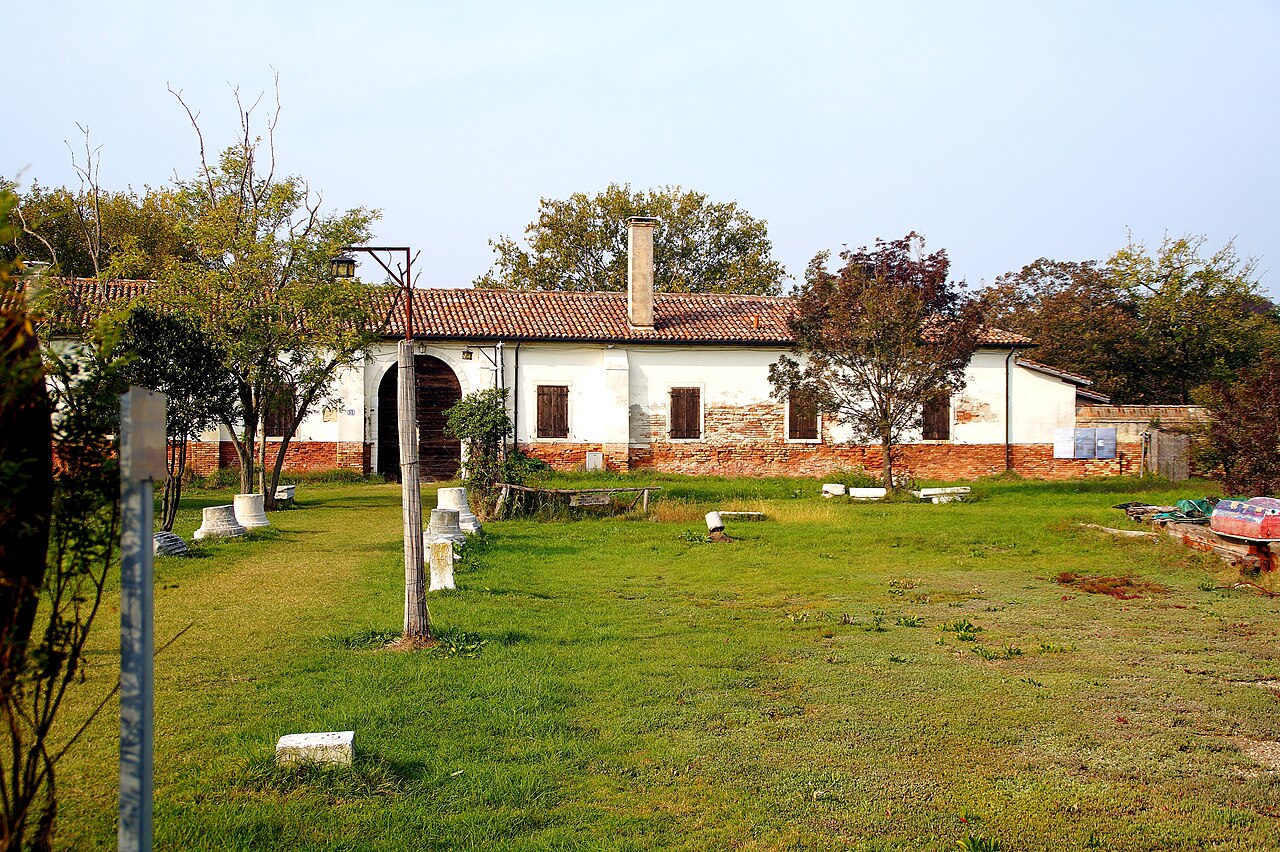
Before a ship could enter Venice, it sometimes had to stop on a small island in the northern lagoon. Here, travellers, crews and goods waited while the Serenissima tried to prevent infectious diseases from reaching the city. This place was Lazzaretto Nuovo: one of the most remarkable witnesses to the history of public health, trade and everyday life in the Venetian Lagoon.
Today, the former quarantine island is an ecomuseum, where historic buildings, archaeological research and a path through the salt marshes reveal how Venice protected itself while remaining connected to the Mediterranean.
Where is Lazzaretto Nuovo?
Lazzaretto Nuovo lies approximately three kilometres northeast of historic Venice, near the island of Sant’Erasmo and the waterways leading into the northern lagoon. It covers around nine hectares. Its strategic position was not accidental: ships arriving from the sea could be checked before their passengers and cargo reached the city’s busy commercial areas.
Seen from the water, the island is recognisable by its long brick buildings, walled perimeter and surrounding greenery. The appearance is peaceful today, but for centuries these structures formed part of a highly organised system of health protection.
Before the quarantine station: the island of Vigna Murada
The island’s history began long before the word lazzaretto became part of everyday language. Archaeological finds indicate human activity here as early as the Bronze Age. The earliest known written reference dates to 1015, when a notarial document called the island Vigna Murada, or “walled vineyard”.
From the late eleventh century, the island was associated with the Benedictine monks of San Giorgio Maggiore. They established a church dedicated to Saint Bartholomew and managed cultivated land. Salt production and agriculture were important elements of life in the northern lagoon, particularly around Torcello and the neighbouring islands.
It is an aspect of Venetian history that is easy to overlook: small islands were not simply picturesque places. They supplied the city with food and other resources, supported religious institutions and helped organise movement through the lagoon.
1468: why Venice created the Lazzaretto Nuovo
In 1423, Venice had already established a plague hospital on the island later known as Lazzaretto Vecchio, where people showing signs of disease could be isolated and cared for. But a maritime trading power needed another kind of protection: a place for arrivals who were not necessarily ill but might have been exposed to infection.
In 1468, the Venetian Senate designated Vigna Murada as the second lazaretto. The name Nuovo (“New”) distinguished it from the older hospital. Its function was preventive: ships, goods and people arriving from ports considered potentially dangerous could be held under observation before continuing to Venice.
The system became associated with quarantine, the controlled waiting period that Venice helped formalise. It would be an oversimplification to say that the island invented every form of isolation, but the Venetian institutions made quarantine a lasting part of maritime health administration.
How quarantine worked: people, goods and the Tezon Grande
Imagine a merchant vessel arriving from another Mediterranean port. Before cargo could be sold in Venice, officials needed information about the ship’s journey and the health conditions in the places it had visited. When required, passengers and crew had to remain separated from the city, while goods were aired, inspected and subjected to the procedures considered appropriate at the time.
To carry out this work, Venice built large sheds known as teze. The most famous surviving example is the Tezon Grande, a sixteenth-century warehouse more than one hundred metres long. Its scale shows that quarantine was not just a medical issue: it also required significant space, staff and coordination to keep trade moving.
Strict separation between the preventive station and the hospital was one of the central features of the system. Those with evident symptoms belonged at the Lazzaretto Vecchio; the Lazzaretto Nuovo managed a different stage of risk.
The writing on the walls: a unique record of Venetian trade
One of the island’s most fascinating details survives inside the Tezon Grande. Its walls retain painted inscriptions, dates, drawings and merchants’ symbols left by people connected with the movement of goods and the work of the quarantine station.
These are not grand state monuments. They are traces of those who waited, supervised or handled cargo here: merchants, porters, sailors and officials. Their marks offer a more personal view of Venice as a commercial city, in which public health and international exchange constantly intersected.
The building itself has changed over time, but the surviving inscriptions make the passage of generations unusually tangible.
From quarantine island to military outpost
During the eighteenth century, the island gradually lost its original health-care role. Under Napoleonic and Austrian rule in the nineteenth century, it became part of the lagoon’s military defences. Some buildings were altered or demolished; its walls were reinforced, with defensive structures and gunpowder-storage facilities added.
The Italian Army continued to use the island until the early 1970s. Once that function ended, Lazzaretto Nuovo risked falling into neglect, as happened to several smaller Venetian islands whose earlier purposes had disappeared.
The island’s survival owes much to an extensive recovery effort: from 1977, the association Ekos Club helped reopen it to public use, followed by archaeological activities organised with the Venice branch of Archeoclub d’Italia.
What is Lazzaretto Nuovo today?
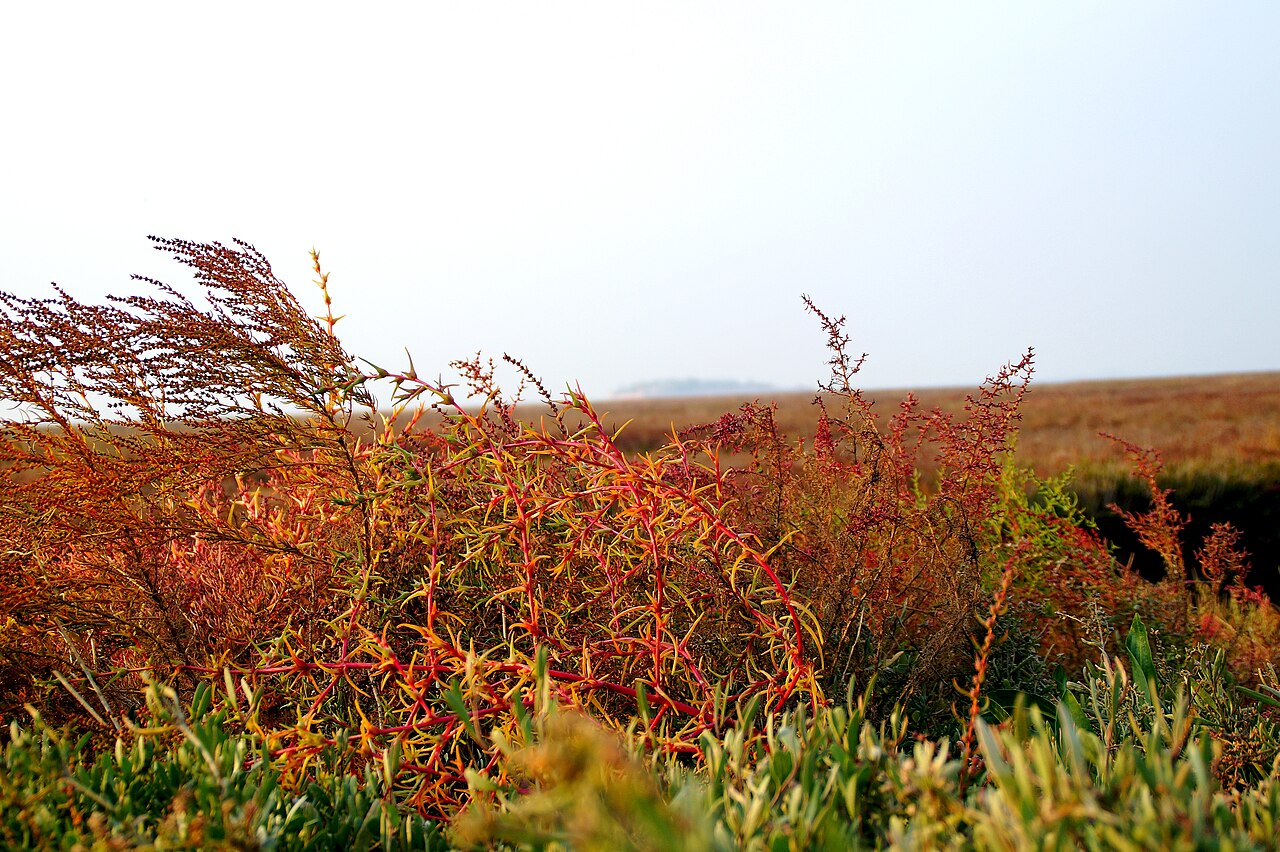
Today, Lazzaretto Nuovo is an ecomuseum dedicated to history, archaeology and the natural environment of the Venetian Lagoon. Its museum route includes the Tezon Grande, displays and excavations, alongside the Path of the Barene: a nature trail outside the historic walls that introduces visitors to salt-marsh habitats and lagoon ecology.
The island also hosts educational activities, research and the storage of archaeological materials from the lagoon. Its recovery has therefore combined the conservation of historic buildings with the study of the surrounding environment.
Three details worth remembering
- Its first recorded name was Vigna Murada. Before becoming a quarantine station, the island had a monastic and agricultural identity.
- The Tezon Grande was built for goods as well as people. Preventing contagion had to coexist with Venice’s dependence on international trade.
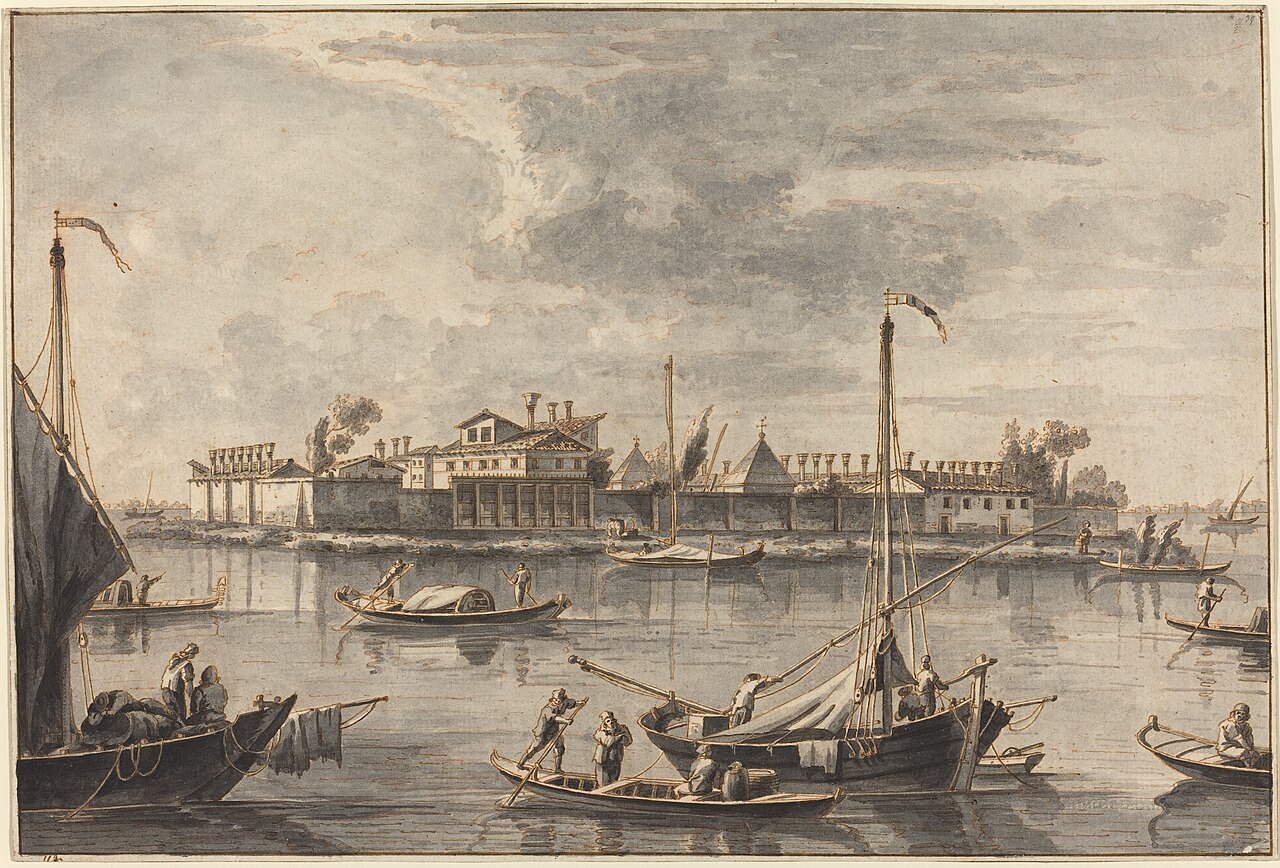
- A historic image survives. Francesco Tironi portrayed the Lazzaretto Nuovo in a drawing dated 1778–1779, a glimpse of the island before later military alterations.
Can you visit Lazzaretto Nuovo?
Yes, through guided visits with advance booking. The ecomuseum organises seasonal visits, generally concentrated between spring and autumn, with special arrangements for groups. Access to the historic route is managed by the island’s organisers and cannot be assumed to be available independently or every day.
Schedules, fees and reservation methods can change from season to season. Check the official Lazzaretti Veneziani visiting information before making plans.
Discovering the history of the lagoon from a private boat
Seen from the water, Lazzaretto Nuovo is a reminder of how Venice used its geography to organise health care, trade and defence. Its story becomes even more interesting when considered alongside nearby Sant’Erasmo, the islands of the northern lagoon and the older plague hospital near the Lido.
Our private boat experiences in the Venetian Lagoon can be tailored to your interests and the conditions of the day. Contact us to discuss a route: a boat tour does not automatically include admission or landing on Lazzaretto Nuovo, which must be arranged separately where permitted.
Explore other histories in our growing collection: History of the Venetian Lagoon Islands.
Frequently asked questions
What is the difference between Lazzaretto Nuovo and Lazzaretto Vecchio?
Lazzaretto Vecchio was established in 1423 to isolate and care for people with plague. Lazzaretto Nuovo was set up in 1468 mainly to prevent disease from entering Venice by observing arriving people and handling potentially contaminated goods.
Why is the Tezon Grande important?
It is the large sixteenth-century quarantine warehouse whose surviving painted inscriptions and merchants’ symbols document trade and everyday activity at the station.
Is Lazzaretto Nuovo open to visitors?
It can be visited on guided tours by reservation during the operating season. Always consult the official organisers for current dates and arrangements.
Historical sources and image credits
Sources: Lazzaretti Veneziani – History of Lazzaretto Nuovo; Italian Ministry of Culture – Tezon Grande; official visitor information. Featured photo: © Robert Kropf, Wikimedia Commons, CC BY-SA 4.0; resized to 1280 px. Historical artwork by Francesco Tironi: National Gallery of Art, CC0.