Murano is famous throughout the world for glass, yet the island’s history began centuries before the great furnaces became its defining feature. Its canals, churches, workshops and long-established families reveal a community whose fortunes have been tied to Venetian commerce, government and artistic innovation for more than a thousand years.
The history of Murano island is not just the story of a beautiful material. It is also the history of a settlement in the Venetian Lagoon, a distinctive community of craftsmen, an industry closely regulated by the Republic and a heritage that remains alive today.
Where is Murano in the Venetian Lagoon?
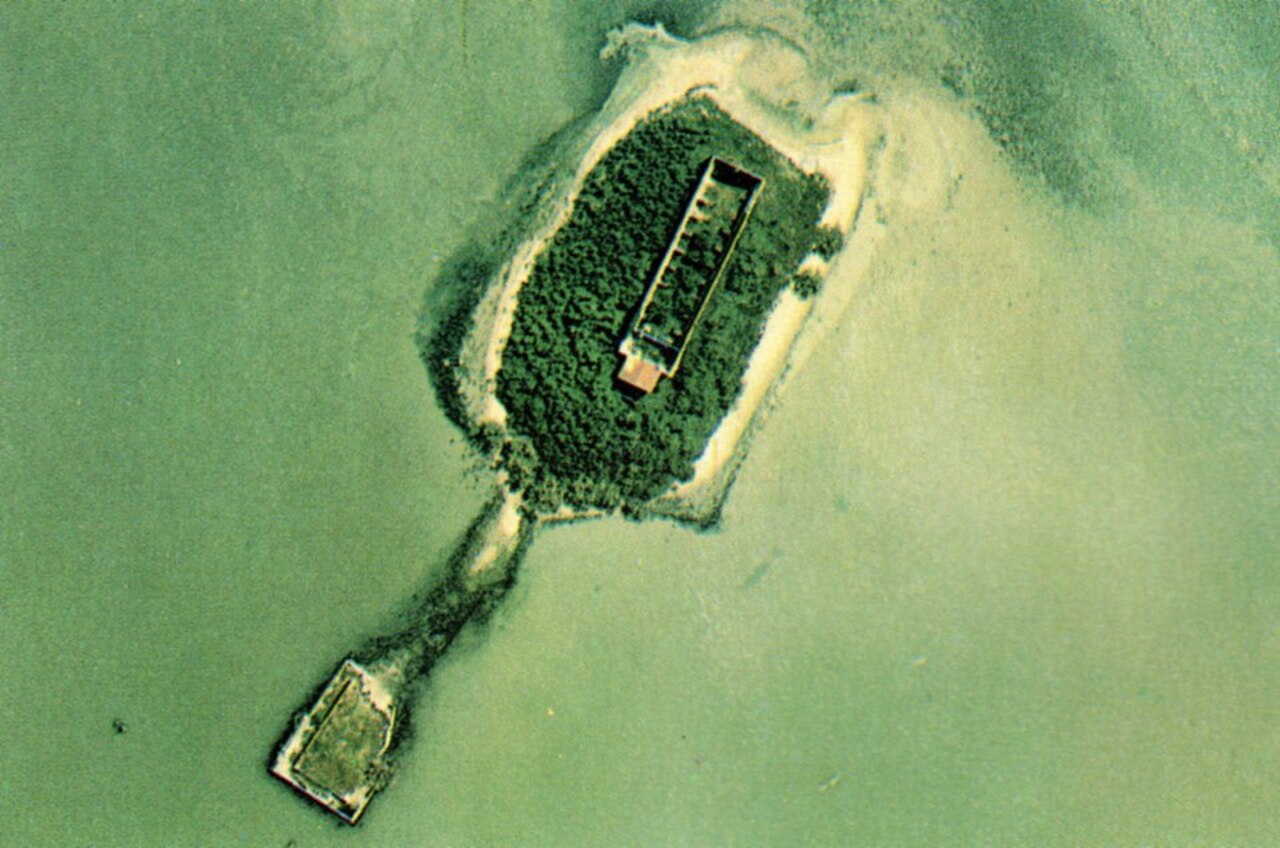
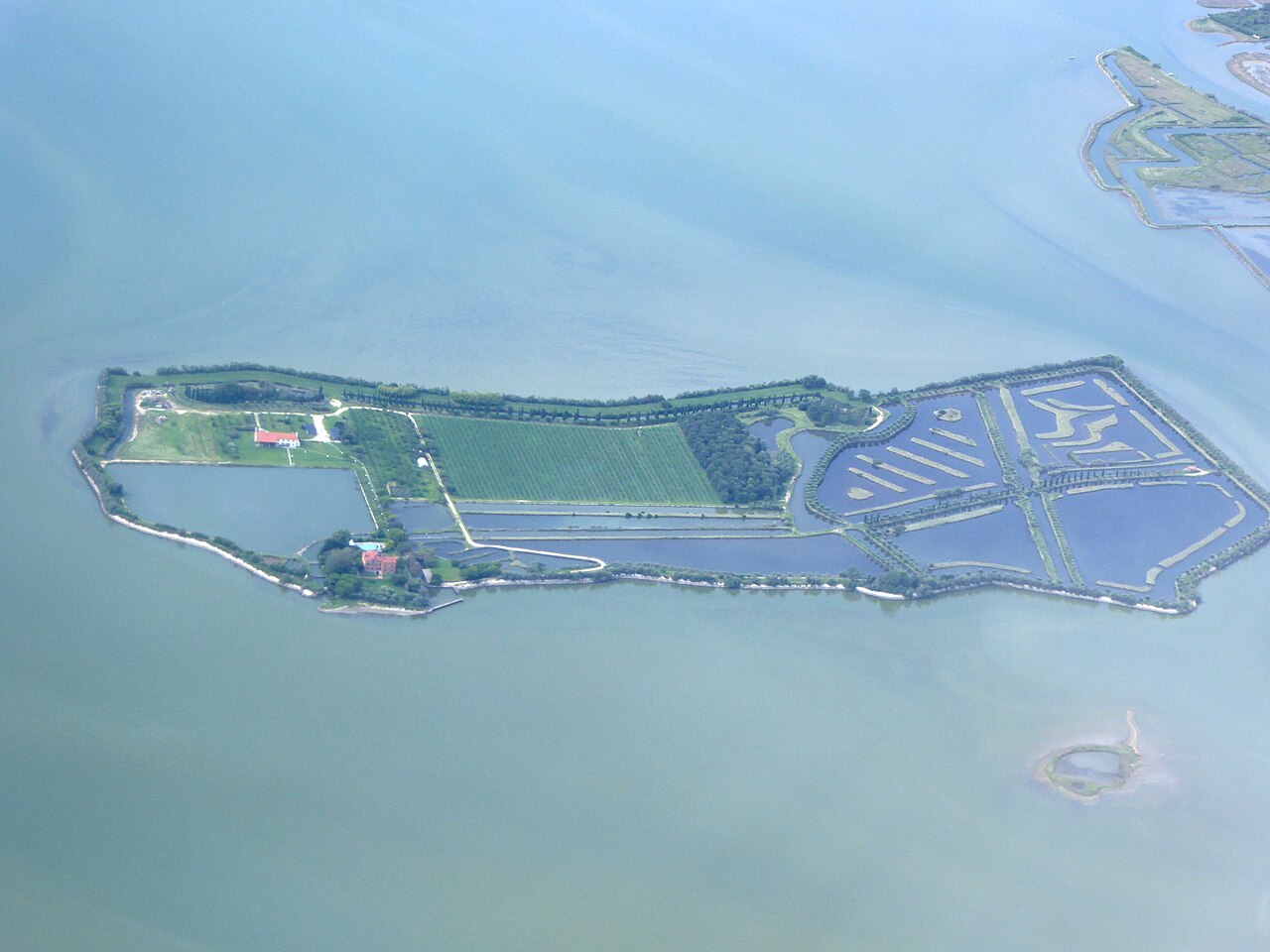
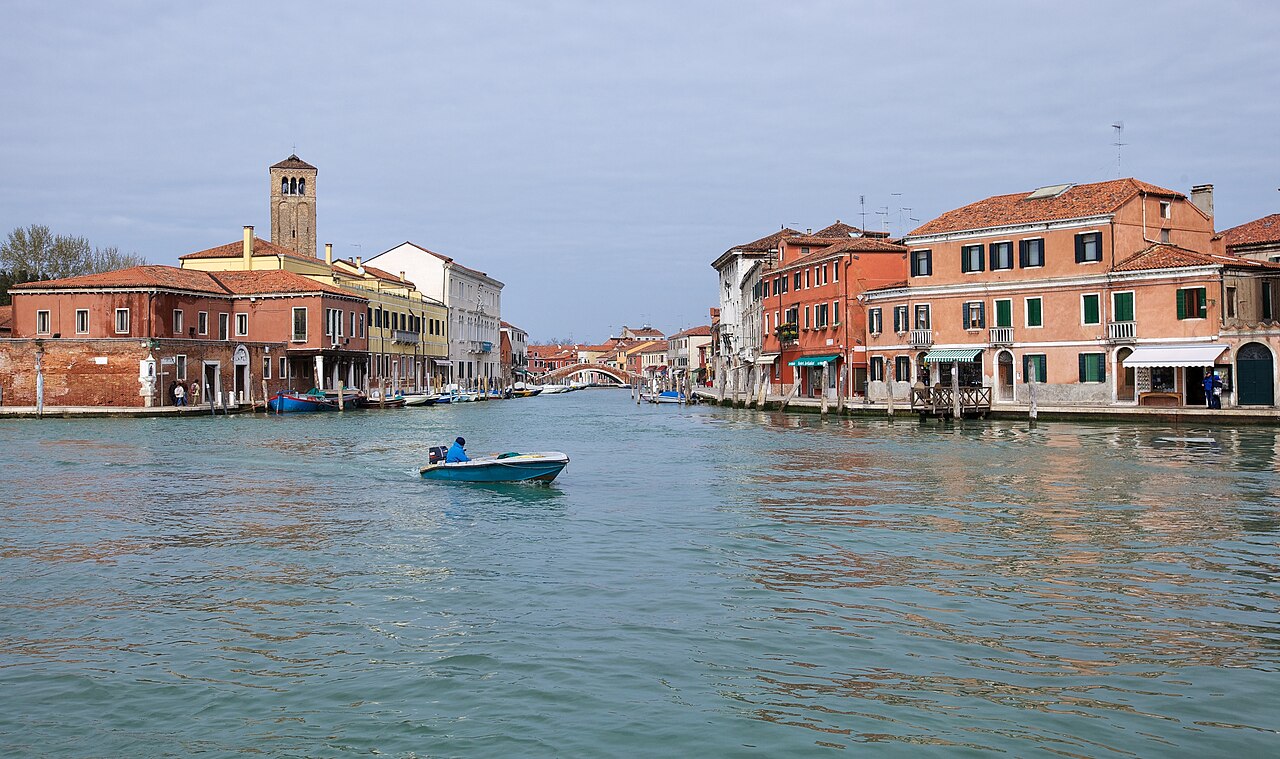
Murano lies north of Venice’s historic centre, separated from the city by navigable lagoon waters. Like Venice itself, it is made up of several smaller islands connected by bridges and divided by canals. The Canal Grande di Murano runs through the settlement, lined with churches, historic houses, former glassworks and the everyday buildings of a living community.
It is an inhabited part of the municipality of Venice, not an open-air shopping centre created for visitors. Glass workshops are crucial to its identity, but schools, homes, local businesses and religious buildings are equally important to understanding the island.
Murano before the glass furnaces: the early lagoon settlements
The origins of the community are linked to the gradual development of settlements around the northern Venetian Lagoon during the early Middle Ages. Population movements from the mainland, maritime trade and the changing balance between the Byzantine world and local authorities shaped life in these waters.
As elsewhere in the lagoon, land and water were interdependent. Boats carried people and goods, canals defined routes of movement, and churches marked the centres of neighbourhood life. The settlement acquired a distinct character long before the late-thirteenth-century decree commonly associated with Murano’s glass industry.
It is therefore misleading to say that Murano “began” in 1291. That date transformed the island’s economy, but did not create the island community itself.
The church of Santa Maria e San Donato and Murano’s medieval identity
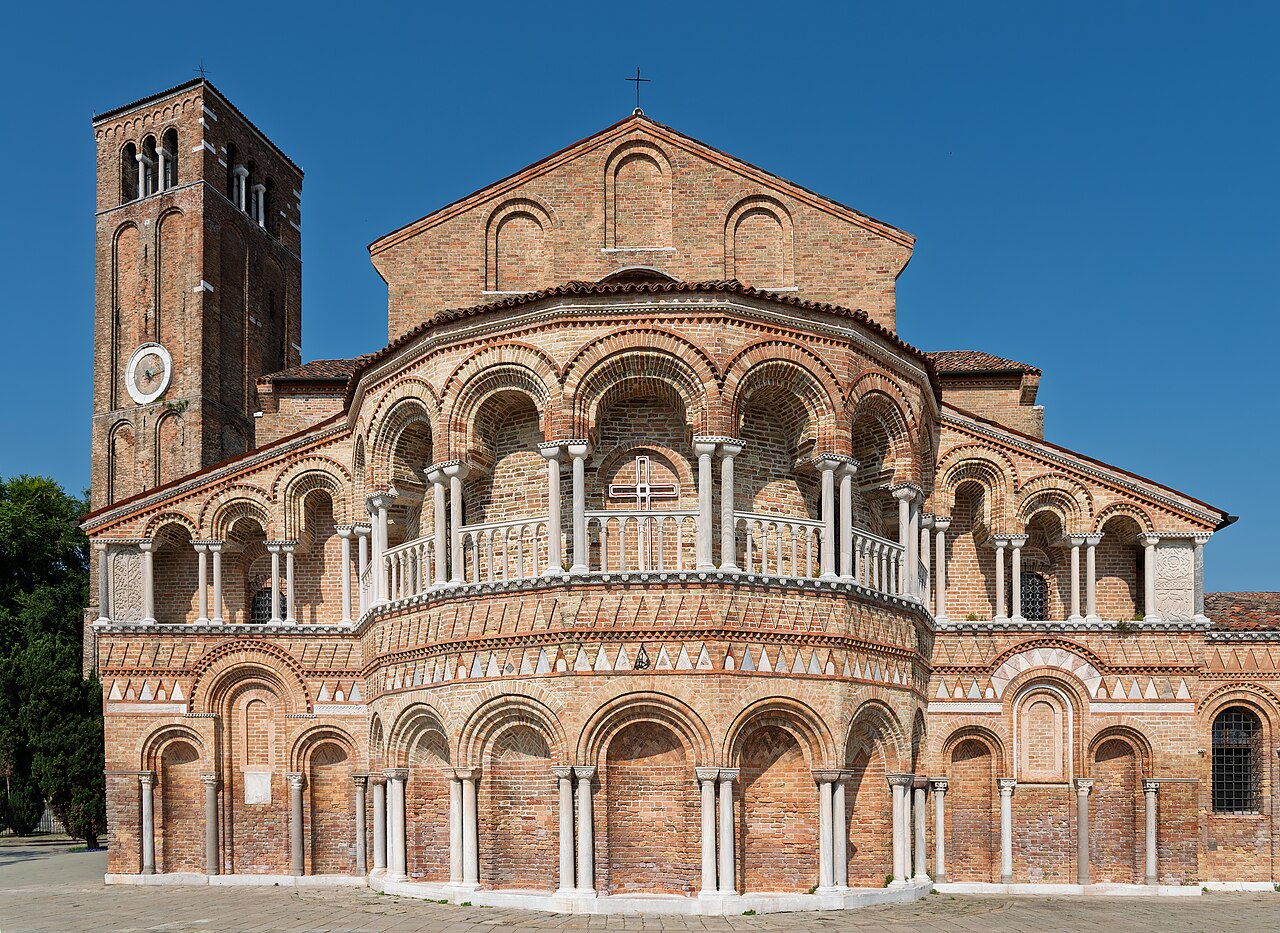
One of the strongest reminders of the pre-glassmaking history is the Basilica of Santi Maria e Donato. Tradition connects its first foundation with the seventh century, while the present building was substantially rebuilt in the twelfth.
In 1125, according to the parish’s historical account, the relics of Saint Donatus were brought from Kefalonia after a Venetian naval expedition. The church, previously dedicated to the Virgin Mary, was thereafter associated with both saints.
The famous mosaic pavement, dated around 1140, contains animals, geometric patterns and decorative motifs made with coloured stone and glass. A golden mosaic of the Virgin in the apse belongs to a later medieval phase.
These works illustrate the artistic and religious importance of Murano before its furnaces became internationally renowned. Stories about the “dragon bones” kept in the church belong to local legend, not verifiable evidence of a mythical creature.
Was glass made in Venice before 1291?
Yes. Venetian glassmaking predates the famous decree by several centuries. The Venice Civic Museums point to a document from 982 that names a glassmaker called Domenico. The deed, associated with San Giorgio Maggiore, is among the earliest written indications of an established glass-working activity in Venice.
Throughout the Middle Ages, Venetian artisans developed their skills using resources and knowledge circulating through Mediterranean trade routes. Glass, raw materials and techniques connected Venice with the eastern Mediterranean, including areas of Byzantine and Islamic production.
By the thirteenth century, glass furnaces were increasingly present on Murano. The decision taken in 1291 therefore strengthened an existing concentration of production instead of inventing the art overnight.
1291: why the Venetian Republic moved glass furnaces to Murano
In 1291, the Great Council of Venice ordered the relocation of furnaces from the city’s densely inhabited areas. Glass production involved very high temperatures and constant flames, creating a serious fire risk in a city whose buildings still contained extensive timber structures.
Locating furnaces on Murano also made it easier to organise production, supervise craftsmen and concentrate an economically important industry. The lagoon between the city and the island offered separation, while boats ensured that raw materials and finished goods could still move efficiently.
1291 was a turning point, not the birth date of Venetian glass. Murano became the principal centre of an industry that had already developed in the lagoon and would eventually export its creations to royal courts, merchants and wealthy households across Europe.
The glassmakers’ guild and the regulation of trade secrets
The Republic treated glassmaking as a strategically valuable craft. The glassmakers’ guild, known through its statutes and regulations, established standards for production, professional training and working practices. The authorities also sought to prevent valuable know-how from passing too easily to competitors.
Master glassmakers could enjoy prestige and privileges, yet their professional mobility was restricted in ways that reflected the state’s commercial interests. Accounts portraying every artisan as a literal prisoner of Murano are an exaggeration; the real situation involved a changing mixture of protections, obligations, incentives and penalties.
Technical expertise passed from one generation to another through family workshops and apprenticeships. These networks helped the island develop a distinctive culture around the furnace, one in which the reputation of a family name could become as significant as the objects it made.
The fifteenth century: Angelo Barovier and the invention of cristallo
During the fifteenth century, Murano became a leader in luxury glass production. One of its most celebrated figures was Angelo Barovier (1405–1460), associated with the development of cristallo, an exceptionally clear, colourless glass.
According to the Murano Glass Museum, the purity and transparency of this material helped Venetian craftsmen achieve a new level of refinement. Fine drinking vessels could be made with delicate walls and graceful proportions while retaining a clarity resembling rock crystal.
Barovier’s achievement demonstrated that glass was not only a practical substance for bottles and windows, but a medium for technical experimentation, prestige and artistic invention.
Marietta Barovier, glass beads and the legacy of women artisans
Murano’s history was not shaped only by male furnace masters. Marietta Barovier, a member of the renowned glassmaking family, is associated with the development of the celebrated rosetta glass bead in the fifteenth century.
Decorative beads, including conterie and rosette, became a remarkable part of Venetian production and international exchange. Their small dimensions should not hide their economic importance: beads could travel far beyond the lagoon along commercial networks.
While the surviving documents naturally record some artisans more clearly than others, these traditions show that Murano’s artistic identity developed through different skills, workshops and roles, not through a single invention or family.
The sixteenth century: filigree, lattimo and extraordinary techniques
In the sixteenth century, Murano artisans developed increasingly elaborate decorative methods. Filigree glass incorporated thin white or coloured strands into clear glass, creating patterns such as retortoli and reticello. The museum attributes the invention of filigree around 1527 to Filippo Catani della Sirena.
Lattimo, an opaque milky-white glass, offered new visual possibilities. Other celebrated techniques included coloured enamels, gold leaf, engraved decoration and later the complex assembling of coloured glass elements often associated with murrine.
The specific periods and methods of these techniques differ. What unites them is the ability to manipulate molten glass through carefully controlled heat, movement and composition.
Inside a Murano furnace: a tradition of heat, skill and teamwork
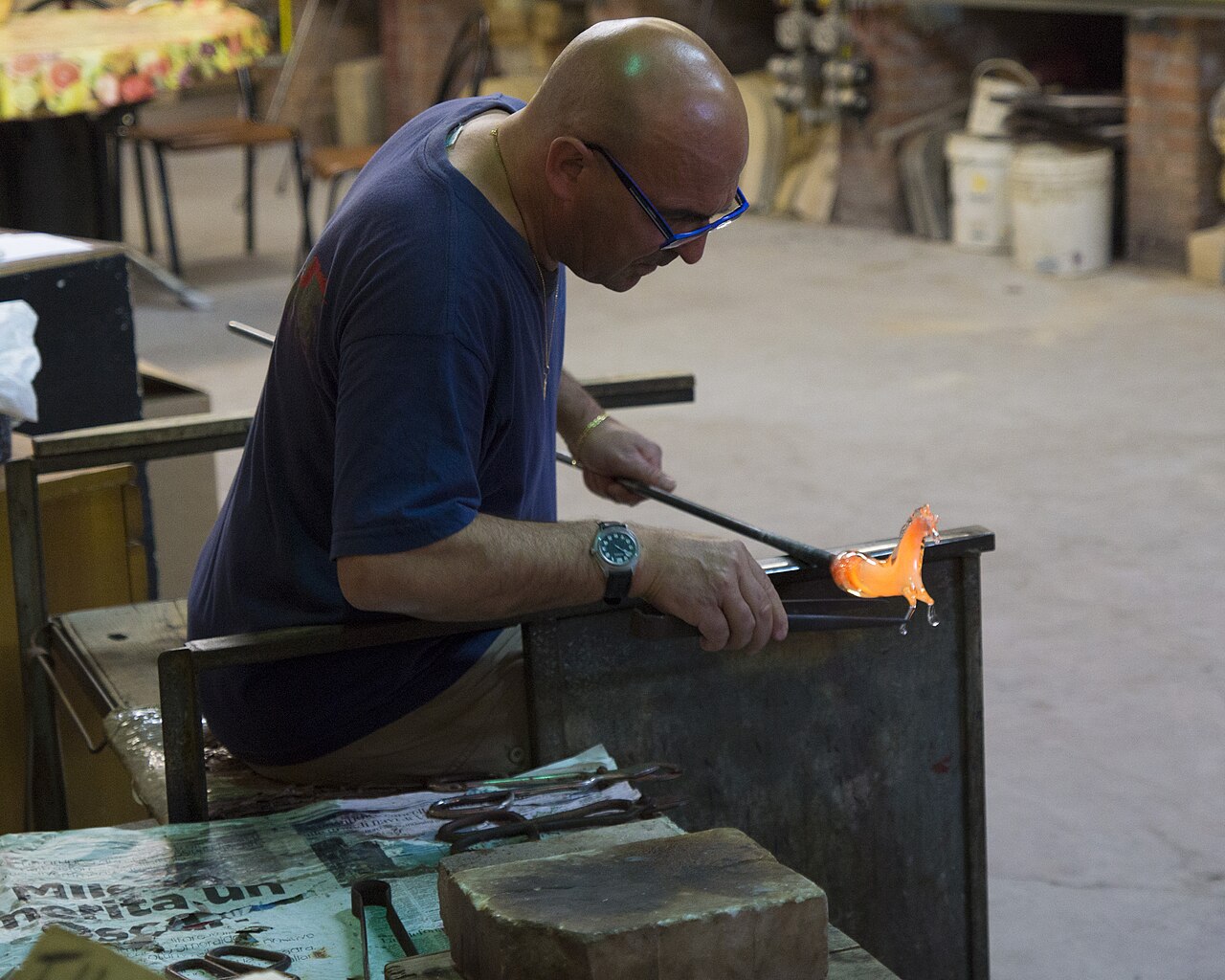
Glassmaking is both a creative art and a demanding technical process. A furnace brings a mixture of silica and other ingredients to a workable molten state. The master gathers hot glass on a blowing iron, shapes it through movement and tools, and works with assistants who control, reheat and refine the object.
Because the material changes quickly as it cools, decisions must be precise. The familiar public glassblowing demonstration gives visitors a glimpse of this work, but complex pieces may require many additional stages, preparation and collaboration.
Different workshops specialise in different products. Some make lighting and large decorative works; others focus on small objects, glass beads, contemporary design or conservation. The real strength of Murano is this variety of expertise.
Murano beyond its furnaces: canals, houses and historic palaces
The prosperity of glassmaking left traces in Murano’s streets and architecture. Workshops occupied buildings along canals, where boats delivered supplies and collected fragile goods for transport. Houses, warehouses and former industrial sites developed close to one another.
Historic buildings such as Palazzo da Mula recall the island’s urban and commercial importance. The Church of San Pietro Martire preserves another part of its religious heritage, while the squares and waterways remain spaces of ordinary daily life.
Murano is therefore best understood as a complete lagoon settlement with its own traditions and historic landscape—not merely as the location of a glass demonstration.
1797 and the crisis following the fall of the Venetian Republic
The fall of the Republic of Venice in 1797 marked a difficult period for the island’s economy. Political change, international competition and shifts in commercial tastes challenged a glass industry that had long benefited from Venetian institutions and trading networks.
Furnaces closed or reduced production, and the knowledge of older techniques became more vulnerable. Competition from other European glassmaking centres added pressure. Yet the craft survived through families and artisans who preserved tools, processes and the reputation of Murano glass.
This nineteenth-century period is essential to the story: Murano’s present-day reputation owes much not only to Renaissance innovation, but also to later efforts to recover and document its artistic heritage.
1861: the Murano Glass Museum and the revival of craftsmanship
The Museo del Vetro was founded in 1861 to document the island’s historical and artistic traditions. Its origins are associated with mayor Antonio Colleoni and the scholar and priest Vincenzo Zanetti, who wanted to preserve evidence of Murano’s glassmaking history.
In 1862, Zanetti established an affiliated school where glassworkers could study design and historic techniques. Donations from local furnaces helped the museum’s collection grow, linking the recovery of the past to a new generation of production.
The museum, housed in Palazzo Giustinian, remains a key reference for understanding glass from antiquity to contemporary creation. Opening times, admission and exhibitions should always be checked directly with the official Murano Glass Museum.
The twentieth century: design, contemporary art and a changing island
Murano’s artistic heritage continued to evolve during the twentieth century. Furnaces worked with designers, architects and artists, creating objects that moved beyond historical models towards the forms of modern design.
Names such as Venini, Carlo Scarpa and Ercole Barovier are closely associated with this modern chapter, in which colour, shape and technique became subjects of experimentation. Murano glass could be traditional and contemporary at the same time.
In 1923, Murano was incorporated into the Municipality of Venice. Its distinct local identity nevertheless remained strong, supported by the continuity of workshops, neighbourhoods and families.
Authentic Murano glass: protecting a historic name
The international fame of Murano has also created a problem: objects marketed using the island’s name are not necessarily made there. To protect origin and craftsmanship, the Veneto Region established the collective mark “Vetro Artistico® Murano” in 1994.
Managed and promoted by Consorzio Promovetro, the mark identifies products made on Murano by authorised producers according to defined criteria. A traceable label can help buyers distinguish certified glass from goods whose provenance is uncertain.
Not every genuine artisan necessarily belongs to the scheme, so the absence of the mark alone does not prove that an object is fake. For a considered purchase, ask where the piece was made, who produced it and whether documentation of origin is available. Details of the certification system are explained on the official Promovetro website.
Visiting Murano today: a living island, not only a tourist attraction
Murano is accessible by public ACTV waterbus services from several parts of Venice. Routes, stops and frequency vary, so visitors should check the official navigation timetable.
The basilica, the canals and the Museo del Vetro reveal different parts of Murano’s history. Some furnaces and workshops offer demonstrations or arranged visits, but access is not automatic: opening arrangements, admission conditions and whether production is being demonstrated should be confirmed with the individual operator.
For the practical side of a visit, see our guide to visiting Murano by boat. This historical article instead explains how the island acquired its identity and why its craft became significant across Europe.
Discover Murano and the Venetian islands on a private boat
Approaching Murano from the water gives a different perspective on its past. The canals once carried raw materials to the furnaces and fragile finished objects towards Venice’s ports. The same waterways now connect glassmaking traditions with the broader landscape of the lagoon.
Murano can be part of a personalised itinerary linking several islands. Explore our custom island-hopping experience or contact us to discuss a private boat tour. Glass workshop visits depend on availability and any separate admission arrangements.
For more historical discoveries, visit History of the Venetian Lagoon Islands, including the stories of Torcello and San Michele.
Frequently asked questions
Why did Venice move glass furnaces to Murano in 1291?
The Great Council ordered furnaces relocated from built-up parts of Venice, primarily to reduce fire risk. Concentration on Murano also helped organise and supervise a valuable industry.
Was Murano glass invented in 1291?
No. Venetian glassmaking was documented centuries earlier, including a reference to a glassmaker in 982. The decree made Murano the main production centre of an established craft.
What makes Murano glass historically special?
The island’s artisans developed celebrated techniques including very clear cristallo, filigree, lattimo and decorative glass beads, supported by centuries of trade and highly specialised workshops.
Can you visit Murano’s glass workshops?
Some workshops offer demonstrations or arranged visits. Availability and conditions vary, so a visit should be confirmed with the individual furnace or tour organiser.
Historical sources and photography
Sources: Venice Civic Museums – history of glassmaking to the 15th century; Murano Glass Museum – Renaissance techniques; Murano Glass Museum – history of the collection; Parish of Santi Maria e Donato – basilica history; Venezia Unica – Murano; Consorzio Promovetro – origin mark. Featured photograph: Sergey Ashmarin / Wikimedia Commons, CC BY-SA 3.0; resized to 1280 px. Photographs inside the article are credited in their captions.