Burano is one of the most recognisable places in the Venetian Lagoon, yet its history goes far beyond the brightly painted houses reflected in its canals. For centuries it was a community of fishermen and skilled lace makers, shaped by the changing fortunes of nearby Torcello, the maritime economy of Venice and a tradition of needlework admired across Europe.
To discover the history of Burano island is to understand how fishing, craft, religious life and family homes created a distinctive landscape. Its colours are part of that story, but they are not the whole story.
Where is Burano in the Venetian Lagoon?
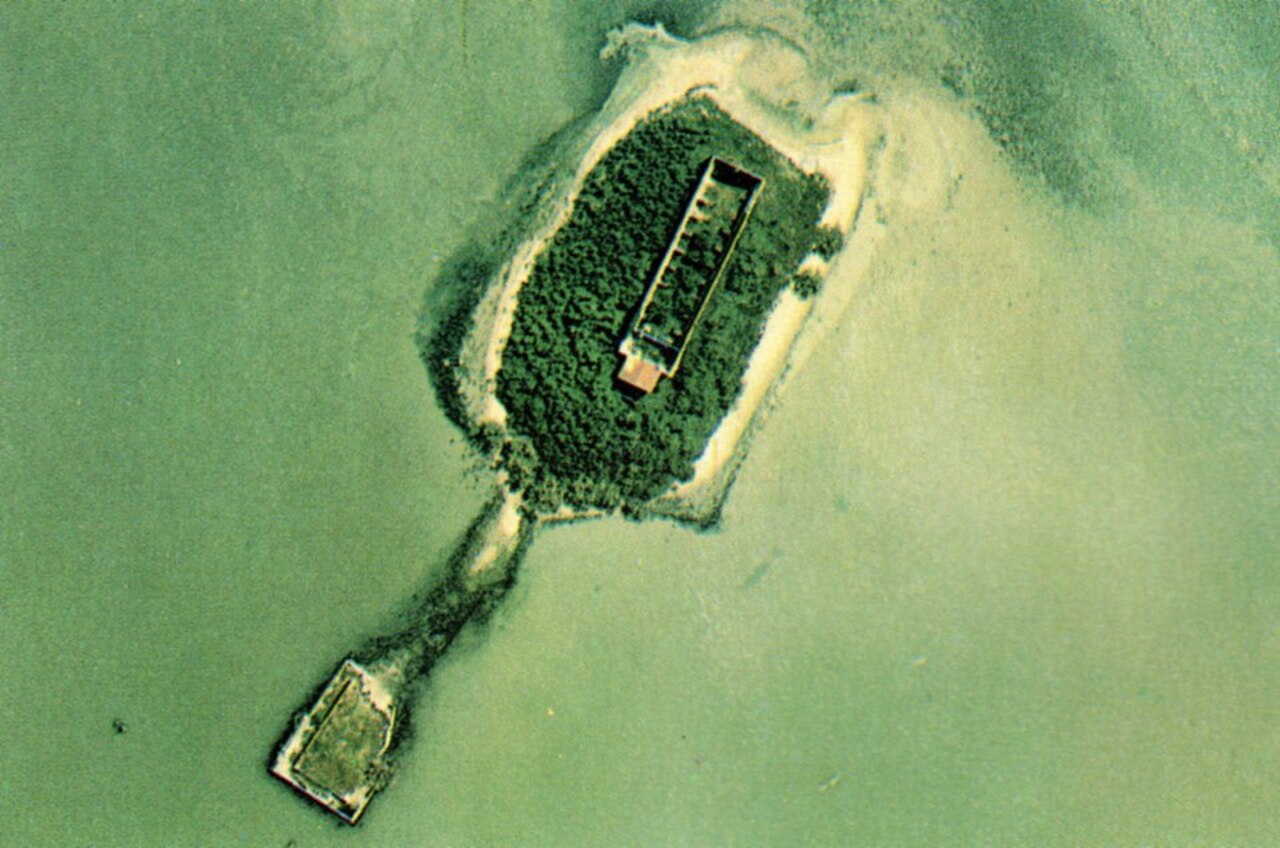
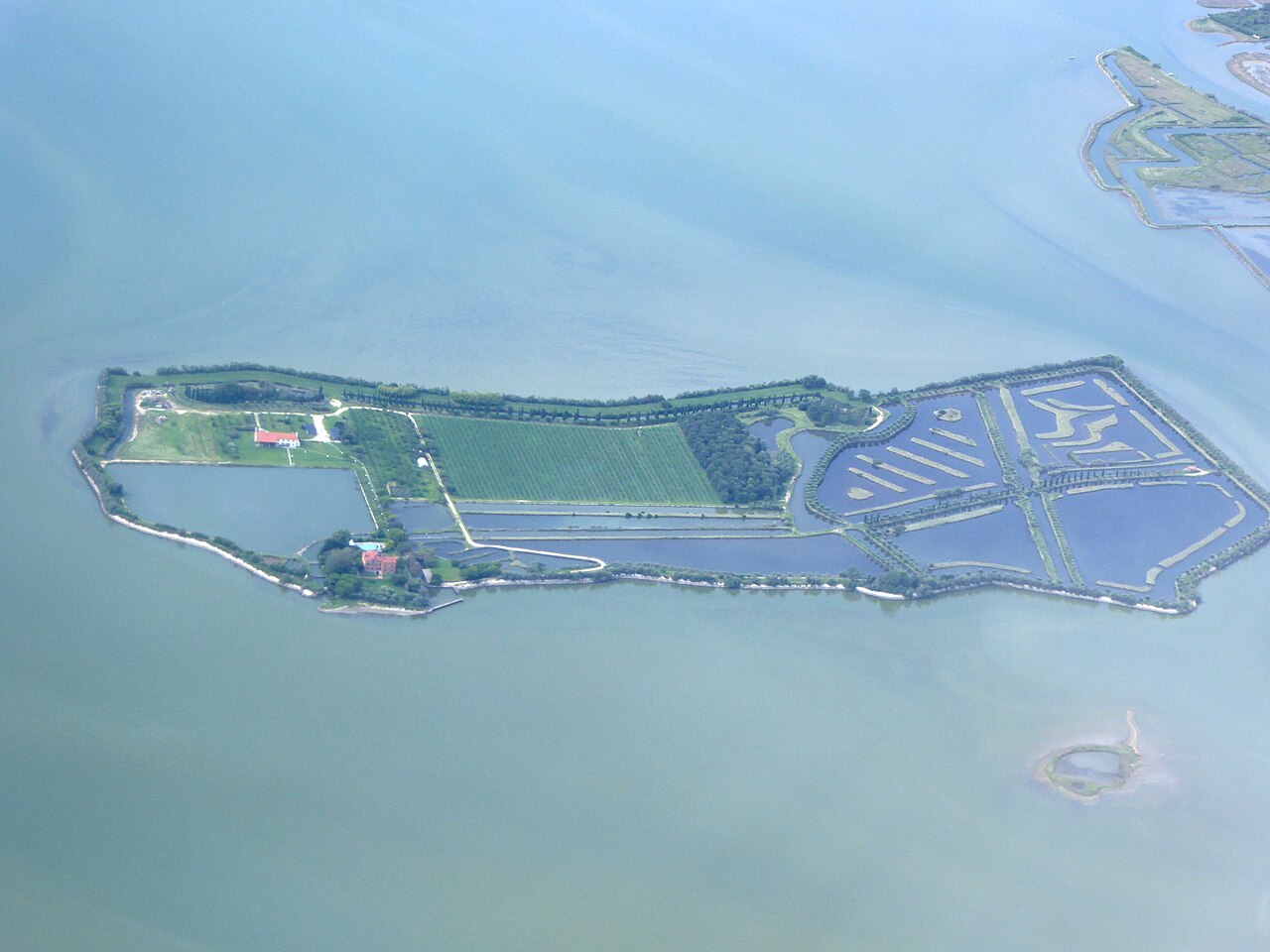
Burano lies in the northern Venetian Lagoon, near Torcello and Mazzorbo, a boat journey from Venice. Although usually described as a single island, the settlement occupies a cluster of small islands separated by narrow canals and connected by bridges. Its buildings are low-rise, and boats are still a familiar presence along the quays.
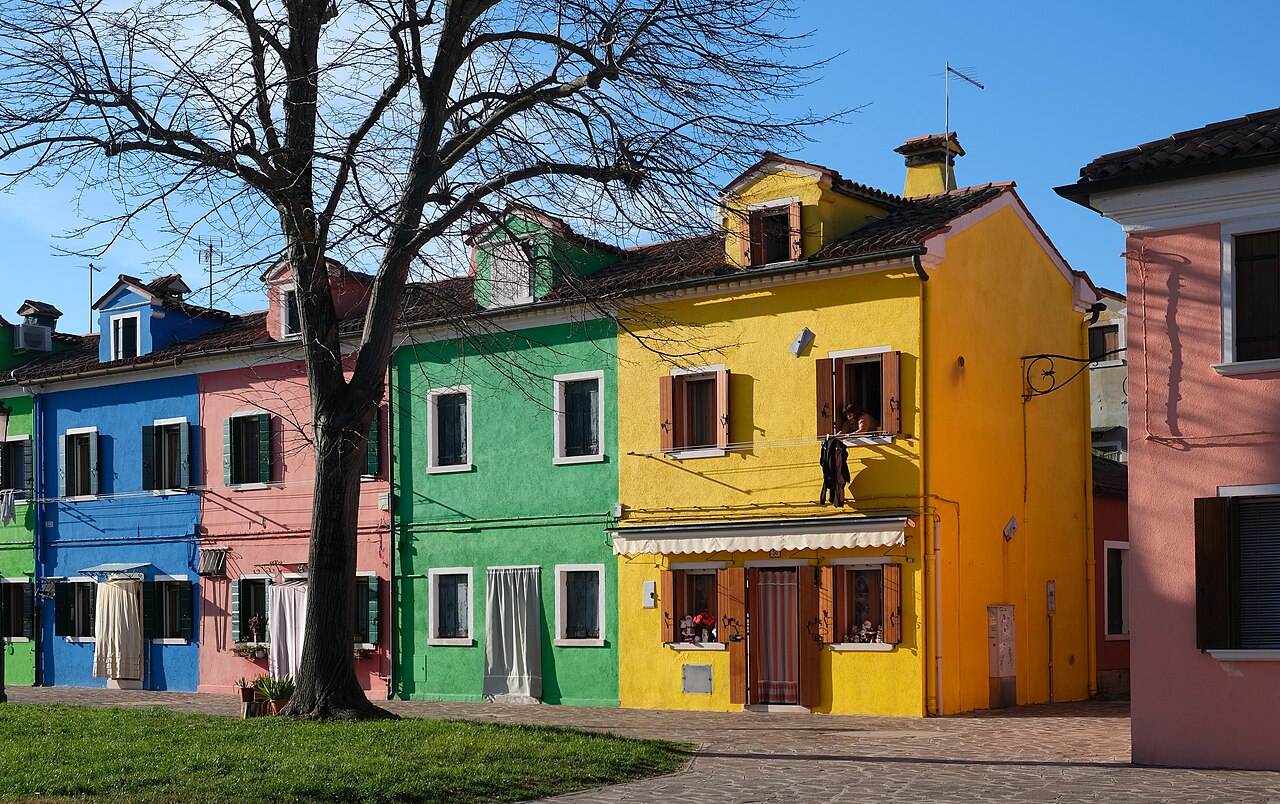
The island is inhabited and remains closely linked to fishing, local services and crafts. Its appearance is different from Venice’s monumental historic centre: narrow houses in intense colours stand side by side, while modest squares and canals reveal an everyday working landscape.
The first settlements: Burano and the origins of lagoon Venice
Burano’s earliest history belongs to the gradual settlement of the lagoon in late antiquity and the early Middle Ages. Groups arriving from the mainland joined communities already using the islands and waterways for fishing, salt production, trade and transport.
Traditional accounts link the island’s name with Porta Boreana, a gate of the ancient city of Altinum thought to face the north-easterly wind. This is a longstanding etymological tradition rather than a universally established linguistic fact. The stories of inhabitants fleeing barbarian invasions likewise compress a complicated period of migration into an easily remembered narrative.
The lagoon’s settlements developed over generations, influenced by shifting shores, river deposits and changing political connections with the Adriatic and Byzantine worlds. Burano was part of that wider network, not a place founded on a single known date.
The legend of Buran da Mar and the lost island
Some local stories speak of a settlement known as Buran da Mar, supposedly destroyed by the sea before the present community was established. The story evokes the vulnerability of low-lying islands to tides, storms and long-term environmental change.
The official Venezia Unica historical itinerary distinguishes this legend from documented history: Burano occupied its present area even though the position of the coast and the shape of the lagoon were different in earlier centuries.
The legend is interesting as local folklore, but it should not be presented as evidence of a lost city beneath the water.
Fishing: the economic foundation of Burano
For a long time, fishing was central to Burano’s economy and identity. The lagoon provided fish, shellfish and access to the Adriatic, while its canals offered routes for bringing the catch to Venice and other markets.
Fishing families depended on knowledge of tides, shallow waters, seasons and the weather. Boats were working tools rather than picturesque accessories, and the risks of a maritime livelihood shaped social life at home.
The connection with fishing remains visible in the boats moored along canals and in local food traditions. The story of Burano’s women making lace while men went fishing is often repeated, but the reality was more complex: different family members contributed to livelihoods through seasonal work, household management and craft production.
Burano and Torcello: how the balance changed
Nearby Torcello was one of the great early centres of the northern lagoon, with important religious and commercial institutions. As its economic and administrative influence gradually declined, Burano became more significant within this part of the lagoon.
The Venice tourism authority describes Burano as taking on some of Torcello’s political role during the sixteenth and seventeenth centuries. The story illustrates how lagoon centres did not remain equally prosperous: changes in channels, trade, land use and population could alter the balance between neighbouring settlements.
Visitors can still see this relationship by travelling between Burano, Torcello and Mazzorbo, places separated by short stretches of water but shaped by different histories.
Why are the houses of Burano so colourful?
The familiar explanation says that fishermen painted their homes red, yellow, blue or green so that they could recognise them through winter fog when returning from the sea. It is a memorable story and remains part of Burano’s popular traditions.
However, the official Venezia Unica guide describes the multicoloured facades as a relatively recent practice connected with marking the boundaries of small properties. Many houses were narrow, and the division between one family’s space and the next was important in everyday life.
Thus the fog story is best understood as folklore rather than a demonstrated historical explanation. The distinctive colours are real, but an attractive legend should not replace the available documentary interpretation.
Colour, houses and daily life along the canals
Many traditional houses have two or three floors, with small ground-floor rooms and bedrooms above. Their facades often stand directly along a canal or a narrow pedestrian route, creating an unusually close connection between domestic space and public life.
Freshly painted walls, laundry hanging between houses, fishing boats and doorways opening onto the quay form a landscape that people still use. The island is often photographed as a decorative backdrop, but these buildings are residents’ homes.
External painting and changes to historic buildings can be subject to local planning and heritage requirements. Visitors should respect private entrances and avoid blocking passages while taking photographs.
How did the lace-making tradition begin in Burano?
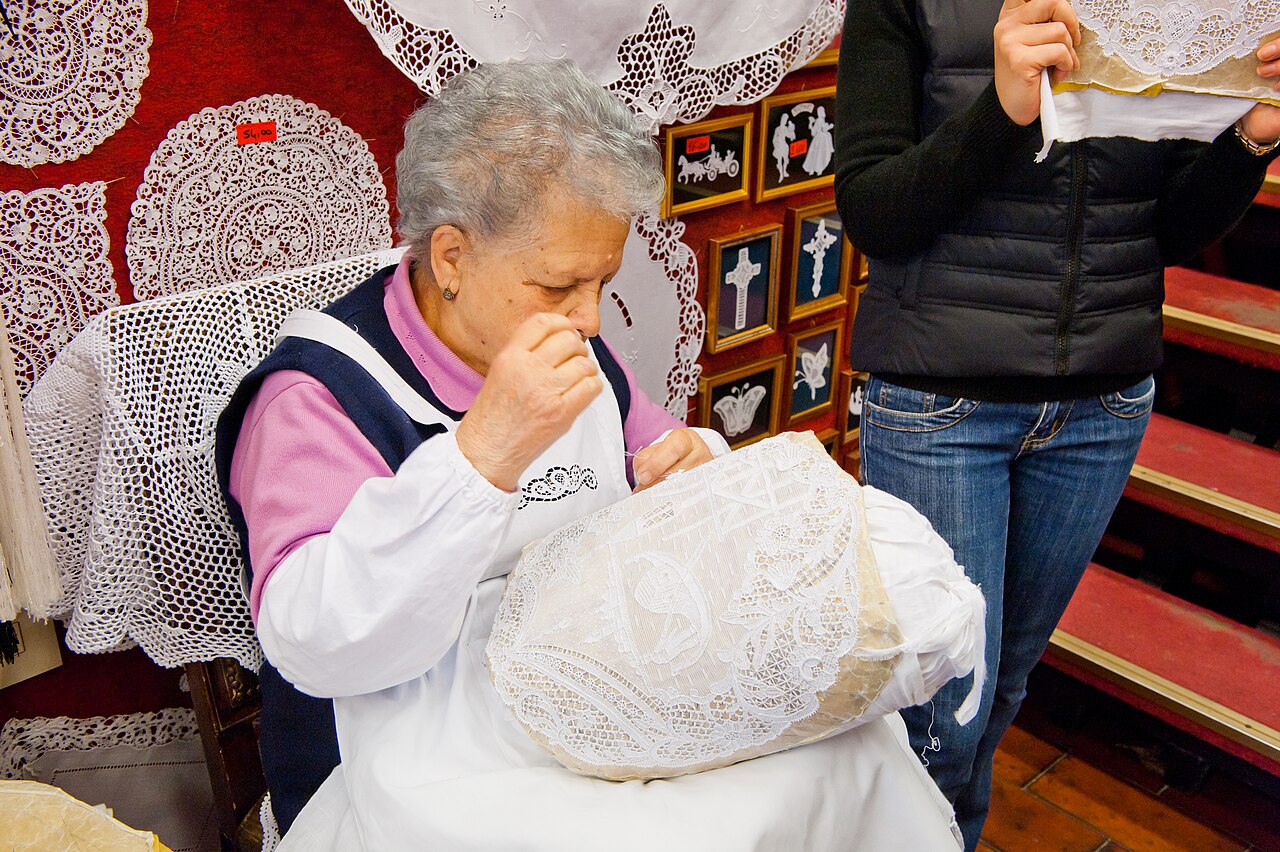
Burano lace is one of the most important surviving traditions of Venetian textile craftsmanship. Its early history includes legendary explanations, such as a wedding veil miraculously created from the foam of the sea for a young woman awaiting her beloved.
The historical record is more useful for understanding the craft’s development. Needle lace became an established part of Venetian decorative production during the sixteenth century and gained particular prestige in the following centuries. The techniques relied on fine thread, careful pattern-making and painstaking handwork.
Unlike woven fabric or machine-made lace, the celebrated punto in aria technique creates its pattern with needle and thread, without using a pre-existing woven backing. Achieving the delicacy and regularity of a finished piece could demand an extraordinary amount of time.
The seventeenth and eighteenth centuries: Burano lace across Europe
During the seventeenth and eighteenth centuries, Venice and Burano became associated with highly refined lace worn as collars, cuffs, veils and decorative accessories. Such pieces represented status, craftsmanship and the international exchange of luxury goods.
Lace was valued at courts and among wealthy European families. Styles travelled from one centre to another, and Venetian production faced competition from France and other regions. These exchanges also influenced patterns and working methods.
Burano’s distinction lay in the knowledge transmitted through local makers, particularly women whose work was essential to maintaining an industry that combined artistic skill with economic necessity.
Cencia Scarpariola and the revival of a disappearing craft
By the nineteenth century, the traditional lace industry was in decline. Political and economic changes, competition and changing fashions had weakened the market for complex handmade work.
An elderly lace maker remembered as Cencia Scarpariola became central to the recovery of old stitches. Local accounts credit her with passing techniques to younger women at a moment when much of this knowledge was at risk of being lost.
Her role illustrates an important point: the craft survived because techniques could still be taught directly, stitch by stitch. The lace revival was not simply a commercial reinvention; it was an effort to preserve skills held in living memory.
1872: Andriana Marcello and the Lace School
The establishment of the Burano Lace School in 1872 marked a decisive turning point. Countess Andriana Marcello, supported by other local and national figures and later by Queen Margherita of Savoy, promoted the revival of handmade lace as a source of education and income.
The Fondazione Andriana Marcello recalls the especially harsh winter of 1871, when frozen lagoon waters curtailed fishing and worsened the situation of island families. The school responded to that social need while preserving a demanding artistic technique.
From an initial small group, the school expanded significantly. The foundation reports eight pupils in 1873, around 250 in 1878 and 310 in 1890. Girls received training in needlework and access to a sheltered educational environment that could improve their prospects for employment.
Royal commissions and international sales helped the lace school become a prestigious institution, demonstrating how a local skill could acquire social and economic importance far beyond the island.
The twentieth century: changing fashions and the school’s closure
Despite its success, the lace industry faced continuing difficulties during the twentieth century. Hand production was expensive and slow compared with industrial alternatives, while clothing fashions moved away from some of the elaborate decorations that had sustained demand.
The First World War and later economic changes added pressure. The school reduced its activities and ultimately closed in the early 1970s. The Museo del Merletto records the school’s period as 1872–1970, while the Andriana Marcello Foundation identifies the final closure in 1972; the difference reflects how the end of teaching and formal closure are dated.
Without a deliberate effort to safeguard patterns, documents and techniques, a major part of Burano’s cultural inheritance could have disappeared.
1981: the Lace Museum safeguards the island’s heritage
In 1978, local authorities and the Fondazione Andriana Marcello established a consortium to preserve the craft and the school’s collections. The historic school building was restored, documents were organised, and the Lace Museum opened in 1981.
The museum occupies the former Palazzo del Podestà of Torcello, in today’s Piazza Baldassarre Galuppi. Its collection illustrates centuries of Venetian and Burano lace with historic examples, drawings and explanations of different techniques.
The museum can be visited according to its published schedule, which may change with exhibitions and seasonal arrangements. Check the official Lace Museum website rather than assuming an opening time.
The Church of San Martino and its leaning bell tower
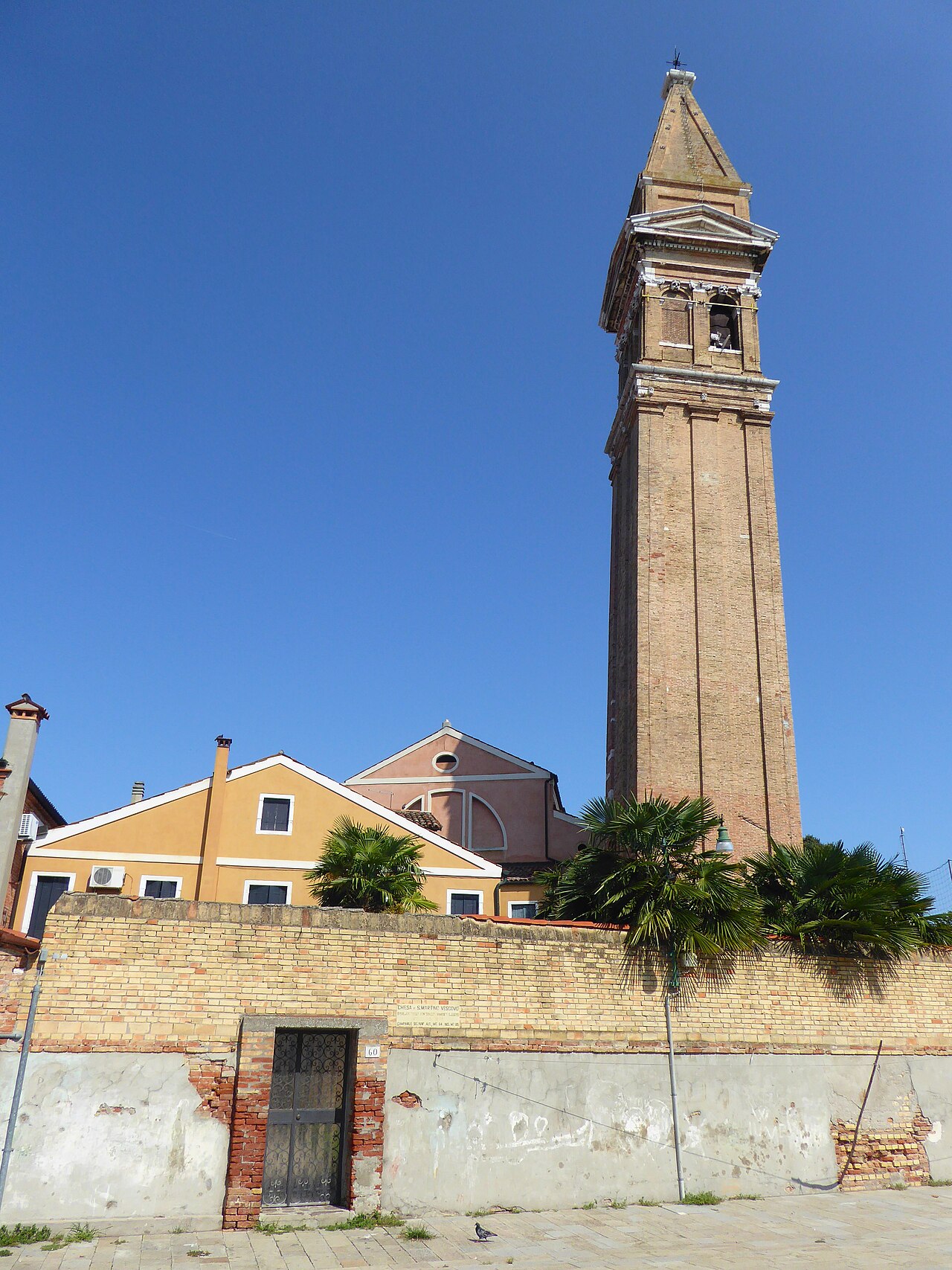
The island’s architectural landmark is the Church of San Martino Vescovo and its visibly leaning brick bell tower. The tower was built between 1703 and 1714, traditionally associated with architect Andrea Tirali, and rises approximately 53 metres.
The parish reports a deviation from the vertical axis of about 1.85 metres. Settlement problems began during construction and continued over time; a major consolidation was completed in 1970. The visible lean therefore has a documented architectural history, not merely a picturesque appearance.
Inside the church is a Crucifixion by Giambattista Tiepolo, generally dated to around 1725. It connects Burano with Venetian painting at the beginning of the artist’s career.
Baldassarre Galuppi and Burano’s cultural identity
The island’s principal square is named after Baldassarre Galuppi (1706–1785), the composer nicknamed Il Buranello. Born on Burano, he became one of the important figures in eighteenth-century Venetian musical life, particularly through opera and sacred music.
His connection with the island is an important counterpoint to the familiar story of fishing and lace. Burano was also the birthplace of people whose talents contributed to the wider artistic culture of the Venetian Republic.
Today Piazza Galuppi brings together the lace museum, the parish church and spaces used by the community, making it a natural setting for understanding these different strands of history.
Local traditions: bussolà biscuits and lagoon cuisine
Burano’s identity is also preserved in its food. The best-known traditional biscuits are bussolà, a rich, ring-shaped baked sweet usually made with flour, eggs, butter and sugar. The similarly traditional essi have an S shape.
Fishing helped shape local dishes, and the wider northern lagoon offered seasonal ingredients and trading links with nearby islands. These foods are not museum pieces: they remain part of everyday local commerce and family traditions.
Understanding Burano through food, craft and work gives a fuller picture than treating its colourful streets as a photographic attraction alone.
Burano and Mazzorbo: two connected but distinct islands
Burano is joined to nearby Mazzorbo by a pedestrian bridge. The two communities are close, but their landscapes reveal different histories: Burano has a dense arrangement of small painted houses and canals, while Mazzorbo contains quieter gardens, open spaces and agricultural traditions.
A walk between them makes clear that the northern lagoon is not made up of interchangeable islands. Each settlement developed its own economic activities, religious sites and relationship with Venice.
Nearby Torcello tells another chapter of the region’s early history. Together the three places illustrate the changing fortunes of northern lagoon communities across the centuries.
Visiting Burano: waterbus connections and the island today
Burano is reached by ACTV waterbus line 12 from the Fondamente Nove area of Venice via the northern lagoon, according to the operating schedule. Connections and frequencies vary, including changes announced for the 2026–2027 winter season; always check the current ACTV navigation information.
The Lace Museum, San Martino church and the canals offer insights into different parts of the island’s past. It is also worth remembering that Burano is a residential community: its houses, doorsteps and boats are private property, and visitors should avoid obstructing homes and narrow pathways.
For practical travel ideas, see our guide to visiting Burano by boat. This article focuses on the historical background that explains what makes the island distinctive.
Discover Burano’s history from the water on a private tour
Arriving by boat connects today’s view of Burano with its centuries of maritime life. The channels were once working routes for fishermen, traders and families bringing goods to Venice; today they offer a way to discover how the island sits within the wider lagoon.
To plan a personalised itinerary, explore our private island-hopping tour or contact us. A route may also include the nearby landscapes of Torcello or the glassmaking heritage of Murano, depending on preferences and arrangements.
Explore more in History of the Venetian Lagoon Islands.
Frequently asked questions
Why are Burano’s houses painted in different colours?
The story that colours helped fishermen recognise their houses in fog is popular folklore. Venezia Unica instead describes the colourful tradition as a more recent way of distinguishing the limits of small properties.
When did lace-making begin in Burano?
Its documented heritage is linked to the development of Venetian needle lace from the sixteenth century, with particular renown in the seventeenth and eighteenth centuries. The famous lace school opened in 1872.
What is special about Burano’s leaning bell tower?
The tower of San Martino was constructed in 1703–1714 and is about 53 metres tall. Structural settlement produced a visible lean, and major consolidation works were completed in 1970.
Can you visit Burano and its Lace Museum?
Burano is accessible by public waterbus, especially line 12 from Fondamente Nove. The Lace Museum is open on its published timetable, which should be checked before travelling.
Historical sources and photo credits
Sources: Venezia Unica – Burano and its coloured houses; Museo del Merletto – the Lace School; Fondazione Andriana Marcello – history of the lace revival; Museo del Merletto – museum history; Parish of San Martino – bell tower; San Martino and Tiepolo’s Crucifixion. Featured image: kallerna / Wikimedia Commons, CC BY-SA 4.0; resized to 1280 px. Photographs inside the article are credited in their captions.