Just beyond Venice’s crowded canals lies an island where vegetable gardens, small vineyards and boats are still part of everyday life. Le Vignole is one of the quieter places in the Venetian Lagoon: a rural community surrounded by water, with an agricultural tradition that long helped supply the city.
Yet this peaceful island has a second, less familiar history. Close to its eastern edge stands Forte Sant’Andrea, part of the defensive system that protected Venice’s entrance from the Adriatic. From ancient holiday traditions to farming and military architecture, Le Vignole shows how a small island could serve several essential roles.
Where are Le Vignole in the Venetian Lagoon?
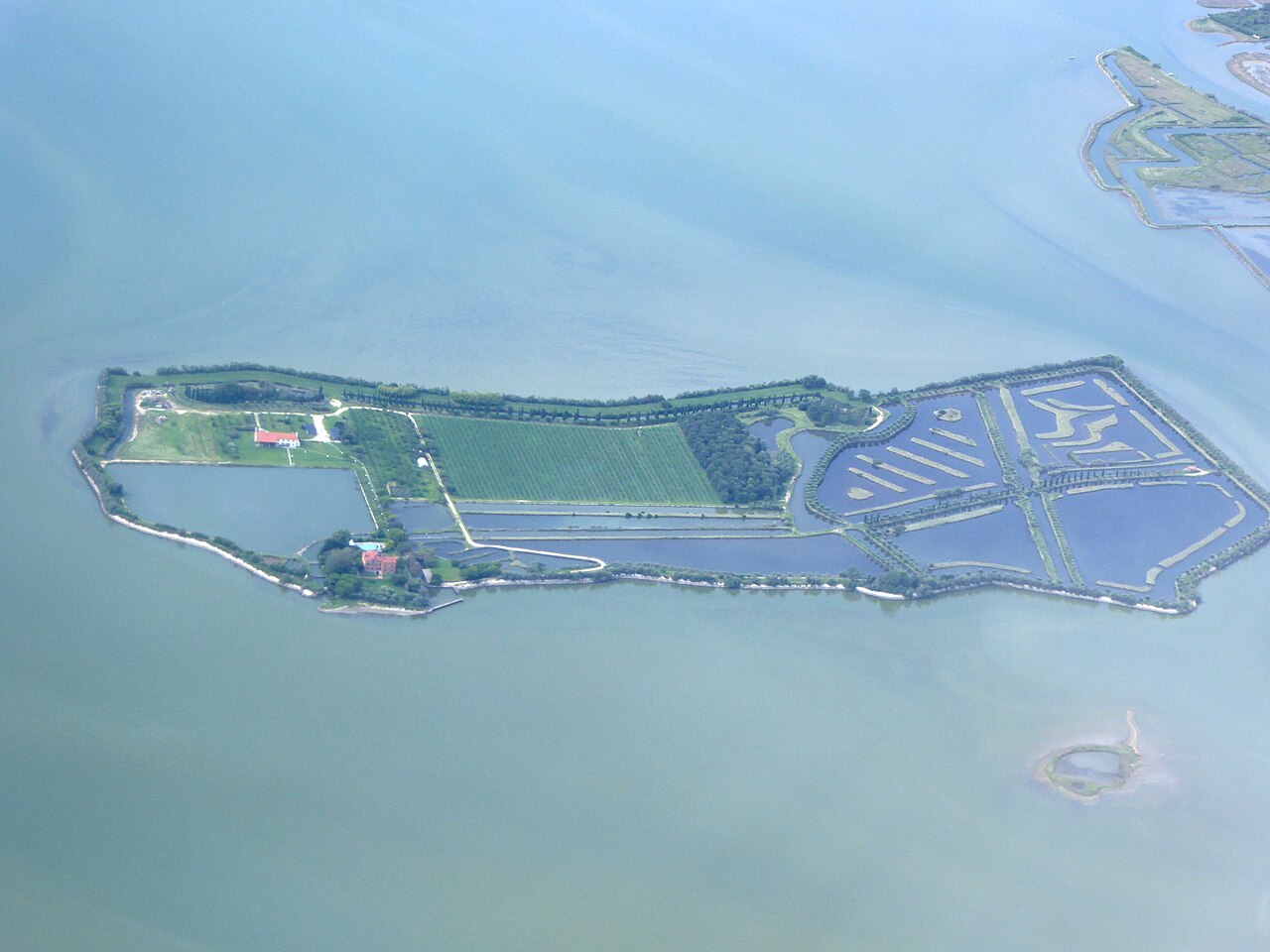
Le Vignole lies northeast of Venice, between the islands of La Certosa to the south and Sant’Erasmo to the north. The area faces the waterways leading towards the Lido inlet, historically one of the important approaches to the lagoon.
What is commonly called a single island actually consists of two areas of land divided by a narrow canal and connected by a small bridge. The more accessible western side retains houses, canalside paths and fields; the eastern area includes military land and restricted access.
Unlike Murano or Burano, Le Vignole has not become a centre of visitor-oriented shops. It remains a small residential and agricultural community, and much of the land belongs to the people who live or work here.
Why is it called Le Vignole? The story of Biniola and the Seven Vineyards
The island’s older names are among its most revealing historical clues. Sources record Biniola and the evocative “Island of the Seven Vineyards” (Isola delle Sette Vigne). Both recall a landscape associated with vines, cultivated plots and rural life.
The number seven survives in traditional accounts, but it should not be treated as a verified inventory of seven individual vineyards. What is clear is that the island’s identity has long been linked to agriculture, particularly viticulture and the cultivation of vegetables.
Regional historical descriptions also associate Le Vignole with early recreational visits from the mainland settlement of Altino and, later, Venice. Those traditions suggest that the island once offered the kind of countryside retreat that Venetians could reach without leaving the lagoon.
The gardens that supplied Venice
For centuries, Venice relied on nearby islands to produce food that could not easily be grown among the stone buildings and crowded streets of its historic centre. Le Vignole, alongside Sant’Erasmo, was part of this essential agricultural system.
Its sandy lagoon soils were suited to vegetable plots, vineyards and small cultivated fields. Farmers worked the land while maintaining the embankments and waterways needed to protect their crops from saline water.
The relationship with Venice depended on boats. Local accounts recall women leaving Le Vignole by rowing boat to take freshly harvested vegetables to the city markets. The image helps explain an important part of lagoon history: supplying the city was not simply a matter of cultivation, but also of navigation and everyday labour.
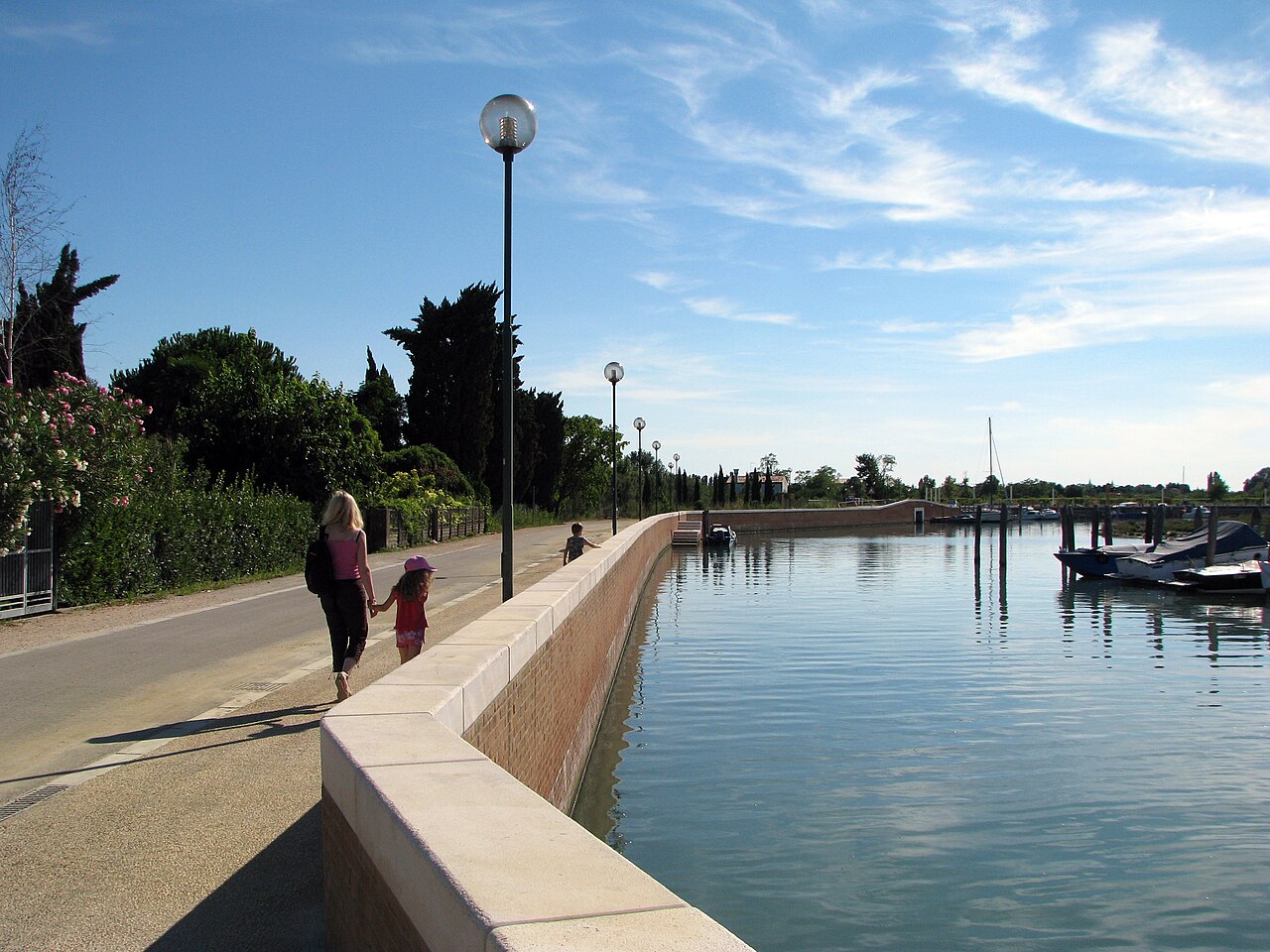
Even today, working gardens remain visible beside some of the island’s public paths. They are not open-air exhibits: many are privately owned and should be observed without entering cultivated land.
An island of holidays and rural traditions
Le Vignole also had a recreational identity. Its proximity to Venice made it a place where residents could escape the crowded city for a day among greenery, gardens and the water. The island was remembered for informal countryside outings, meals and visits to local places of refreshment.
That tradition has not turned Le Vignole into a conventional tourist resort. It remains primarily a place where people live and work, so any visit is best approached with respect for local privacy.
This dual identity—food production and quiet recreation—helps explain why Le Vignole has remained meaningful to Venetian residents even while staying relatively little known to international visitors.
The chapel of Santa Maria Assunta and Sant’Eurosia
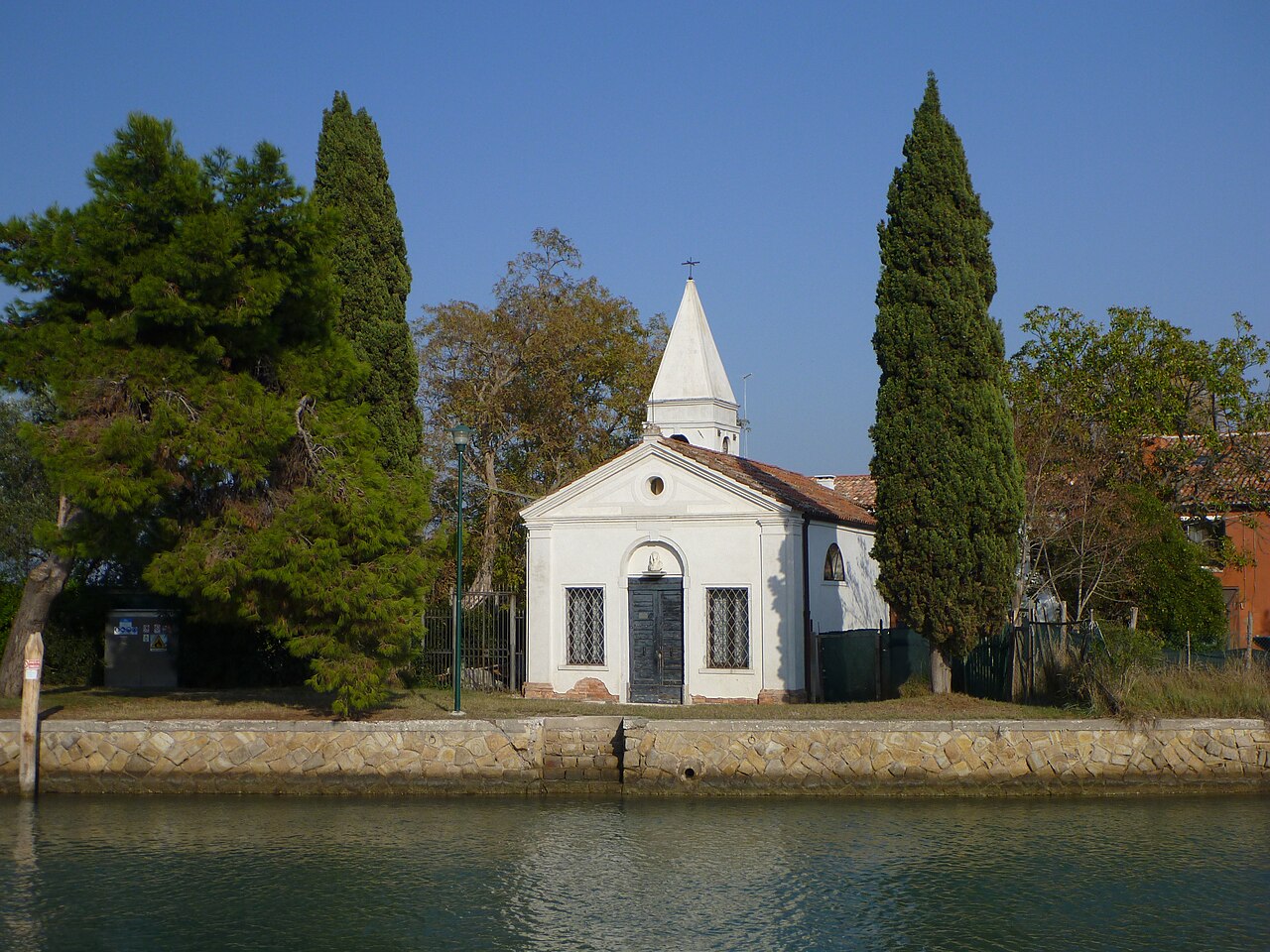
Near the small bridge across the internal canal stands a simple church with a little bell tower, dedicated to Santa Maria Assunta and Sant’Eurosia. It is one of the island’s most distinctive historic buildings.
Tradition links an early religious foundation to the seventh century, when two officials from Torcello are said to have established a chapel. Historical accounts differ on the exact original dedication, so that medieval foundation should not be confused with the present building.
The chapel visitors see today has roots in the late sixteenth century and was modified again in the nineteenth century. Inside is a seventeenth-century painting of the Assumption of the Virgin, according to local historical records.
Access is not guaranteed: the chapel is often closed and may open only for particular religious occasions. Its exterior can still help tell the story of a small farming community whose spiritual life was closely connected to the seasons and the land.
The other side of Le Vignole: agriculture and military defence
The western and eastern parts of Le Vignole developed different functions. While gardens and fields shaped much of the island’s daily life, its strategic position near the Lido entrance to the lagoon drew the attention of Venice’s military authorities.
Historic defensive installations and buildings associated with gunpowder storage formed part of a much larger network protecting the routes into the city. The island later continued to have military uses, and parts of its eastern sector remain restricted military property.
Visitors should not assume that paths, bridges or military facilities beyond the accessible public area are open. Historical interest in a site is not, by itself, permission to enter it.
Forte Sant’Andrea: Venice’s guardian at the lagoon entrance
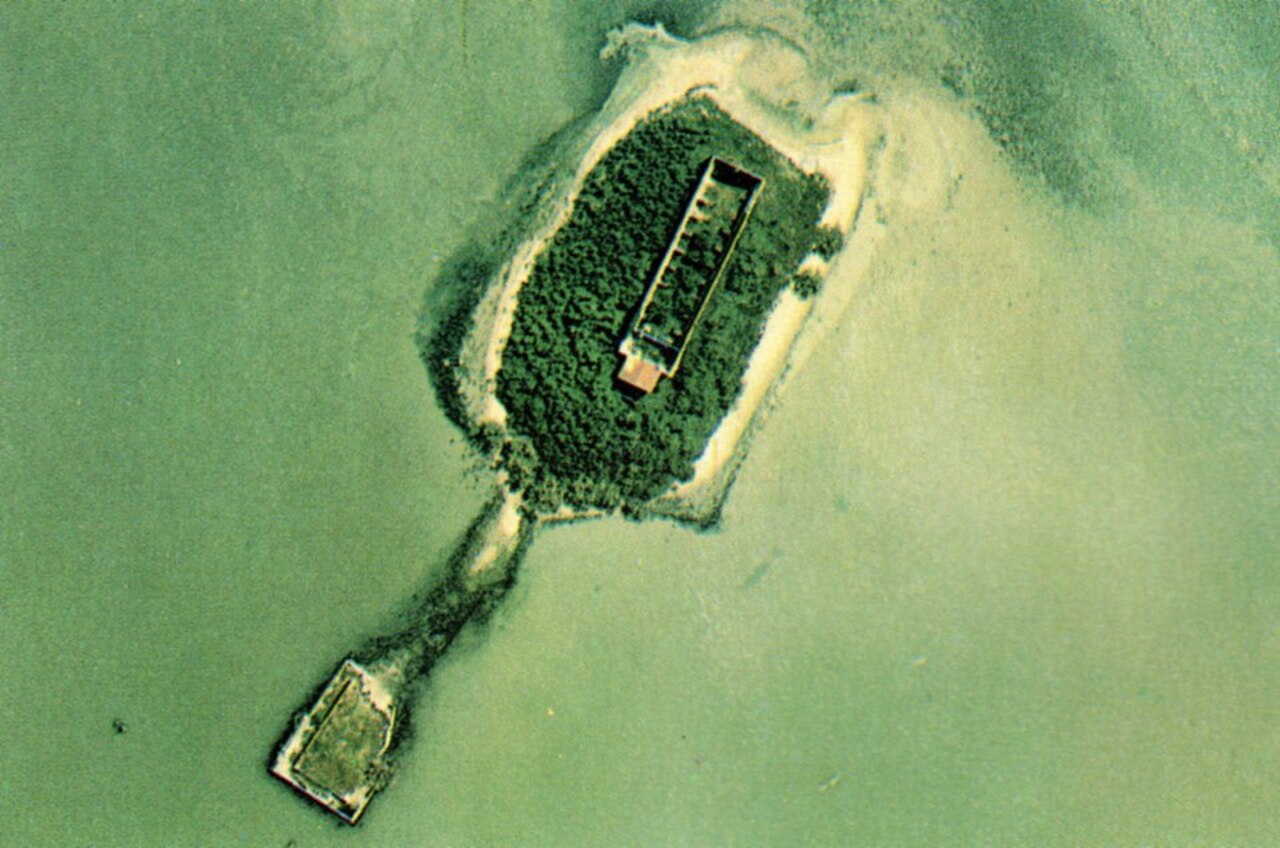
Just beside Le Vignole lies the small island of Sant’Andrea, with the imposing Forte Sant’Andrea. The fort was built during the sixteenth century to defend the maritime approach to Venice, following designs associated with the military architect Michele Sanmicheli.
Its massive masonry and strategic position illustrate how seriously the Serenissima protected the waterways linking its commercial capital to the Adriatic Sea.
Although it belongs to the same historical defensive landscape, the fort stands on neighbouring Sant’Andrea, not inside the freely accessible residential part of Le Vignole. Access to the fort and military areas is restricted, with exceptional visits only when authorised. Passing nearby by boat does not grant permission to land or explore it.
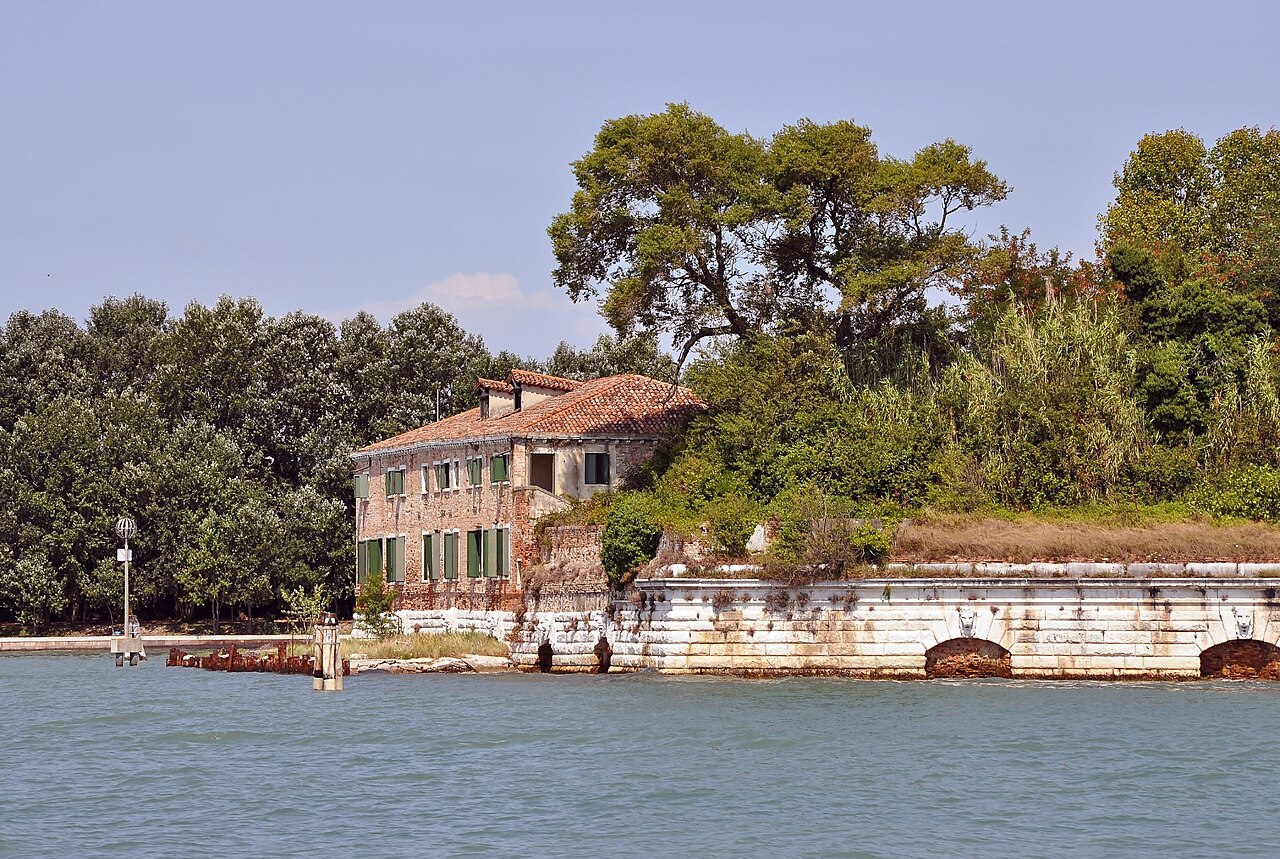
Le Vignole today: a living agricultural landscape
Le Vignole still offers an example of a way of life closely tied to soil, tides and navigation. Small holdings, homes, boat shelters and fields form a rural landscape only a short distance from the monumental centre of Venice.
Some local initiatives have aimed to revive traditional vineyards and strengthen the island’s agricultural identity. Such projects show an interest in protecting productive land, but should not be confused with a guarantee of farm visits or wine tastings for tourists.
The island is best appreciated for what it is: a small inhabited place that continues to work, not a museum or a theme park.
Three details that make Le Vignole special
- Two pieces of land, one identity. A small internal canal divides the island, while a bridge links its two sides.
- Vines are part of its name. The traditional Biniola and “Seven Vineyards” names preserve the memory of a cultivated landscape.
- Food and defence stood side by side. Vegetable gardens and an important coastal fortification belonged to the same lagoon geography, though their uses and access rules remain very different.
Can you visit Le Vignole? How to get there
Yes, the publicly accessible part of the island can be visited. ACTV waterbus line 13 serves the Vignole stop from the Fondamente Nove area, via Murano, subject to current routes and timetables. Check the official ACTV navigation schedules before setting out.
A quiet walk near the landing and along accessible paths offers views of canals, homes, gardens and the chapel. Private vegetable plots, residential property, military areas and the nearby fort are not automatically open to visitors. Keep to permitted paths and respect the island’s residents.
The island has no single ticketed attraction that guarantees access to all its historic sites. The chapel may be closed, and any special visit needs prior confirmation from the relevant organisers.
Exploring the rural islands of Venice by private boat
From the water, Le Vignole shows a quieter side of Venice’s history: its fields, working boats, canals and coastal defences. The island forms part of the same agricultural and natural landscape as nearby Sant’Erasmo and the green island of La Certosa.
To discover these places through a flexible itinerary, explore our private boat experiences in the Venetian Lagoon or contact us. Routes and landing stops depend on navigation conditions, authorisations and available docks; a private boat tour does not include access to private farms or restricted military sites.
Find more history in our collection History of the Venetian Lagoon Islands, or explore our guide to the hidden islands of the lagoon.
Frequently asked questions
Why are the islands called Le Vignole?
The name recalls the vineyards traditionally cultivated here. Older names include Biniola and “Island of the Seven Vineyards”, reflecting the area’s agricultural identity.
Is Le Vignole still an agricultural island?
Yes. The island retains vegetable gardens, cultivated plots and a small resident community, although much of the land is private.
Can you visit Forte Sant’Andrea from Le Vignole?
Not freely. The fort stands on the neighbouring island of Sant’Andrea and access is restricted; occasional openings require specific authorisation.
How do you reach Le Vignole by public transport?
ACTV line 13 connects the Fondamente Nove area with Murano, Vignole and Sant’Erasmo. Check the latest timetable and boarding location before travelling.
Historical sources and photo credits
Sources: Veneto tourism – Le Vignole; Atlante della Laguna – Vignole Vecchie; VisitVenezia – history and access; ACTV – official navigation schedules. Featured photograph: Hyppolyte de Saint-Rambert / Wikimedia Commons, CC BY-SA 4.0, resized to 1280 px. Other photographs are credited in their captions.