La Certosa is one of Venice’s most surprising islands: once a monastery, later a military site, and today a landscape of trees, old buildings and sailing boats. Only a short distance from the city, it reflects centuries of change in the Venetian Lagoon. Its name comes from the Carthusian monks, but the story begins earlier, with an Augustinian community in 1199.
Understanding the history of La Certosa island means discovering how Venice used its smaller islands for prayer, agriculture and defence—and how a neglected place is now being restored for new activities.
Where is La Certosa?
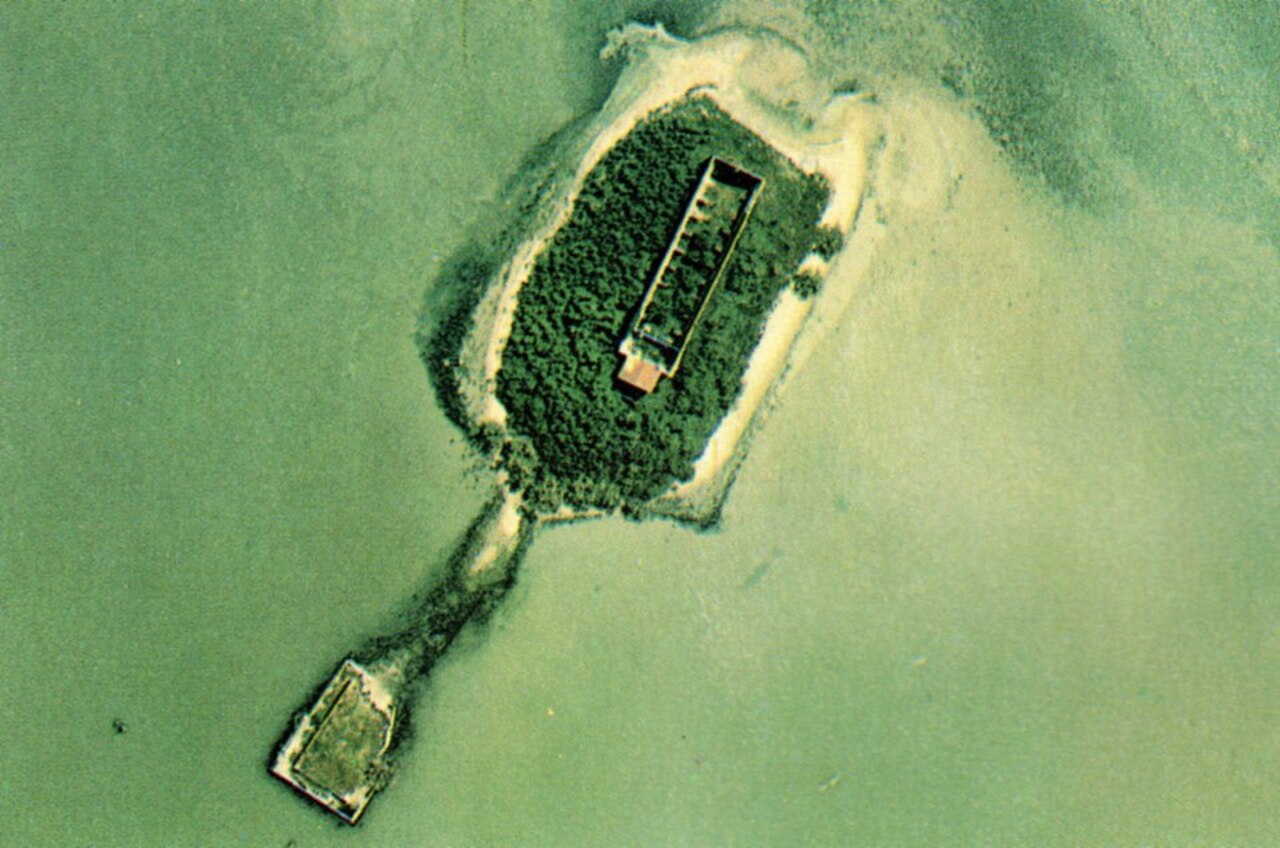
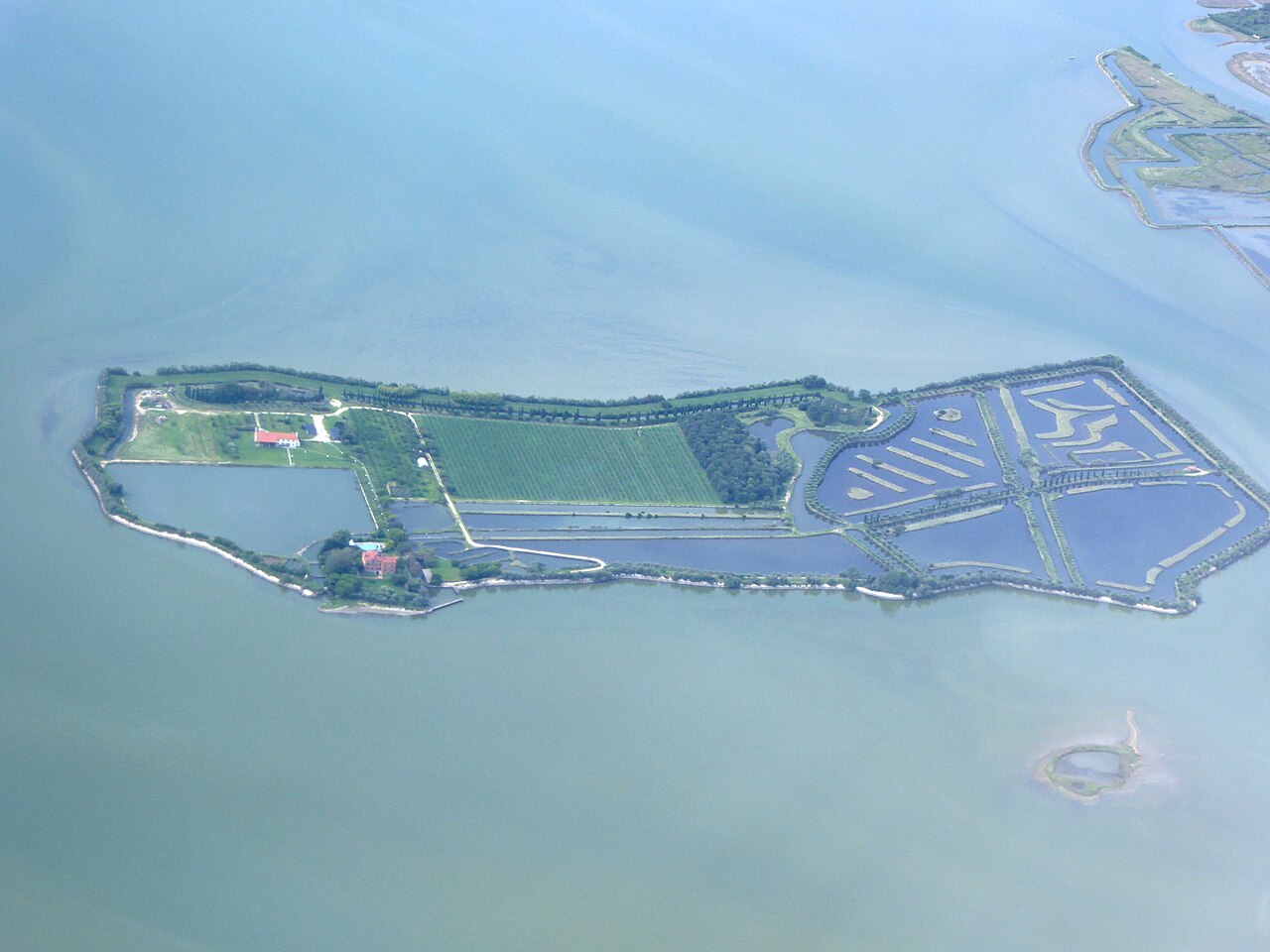
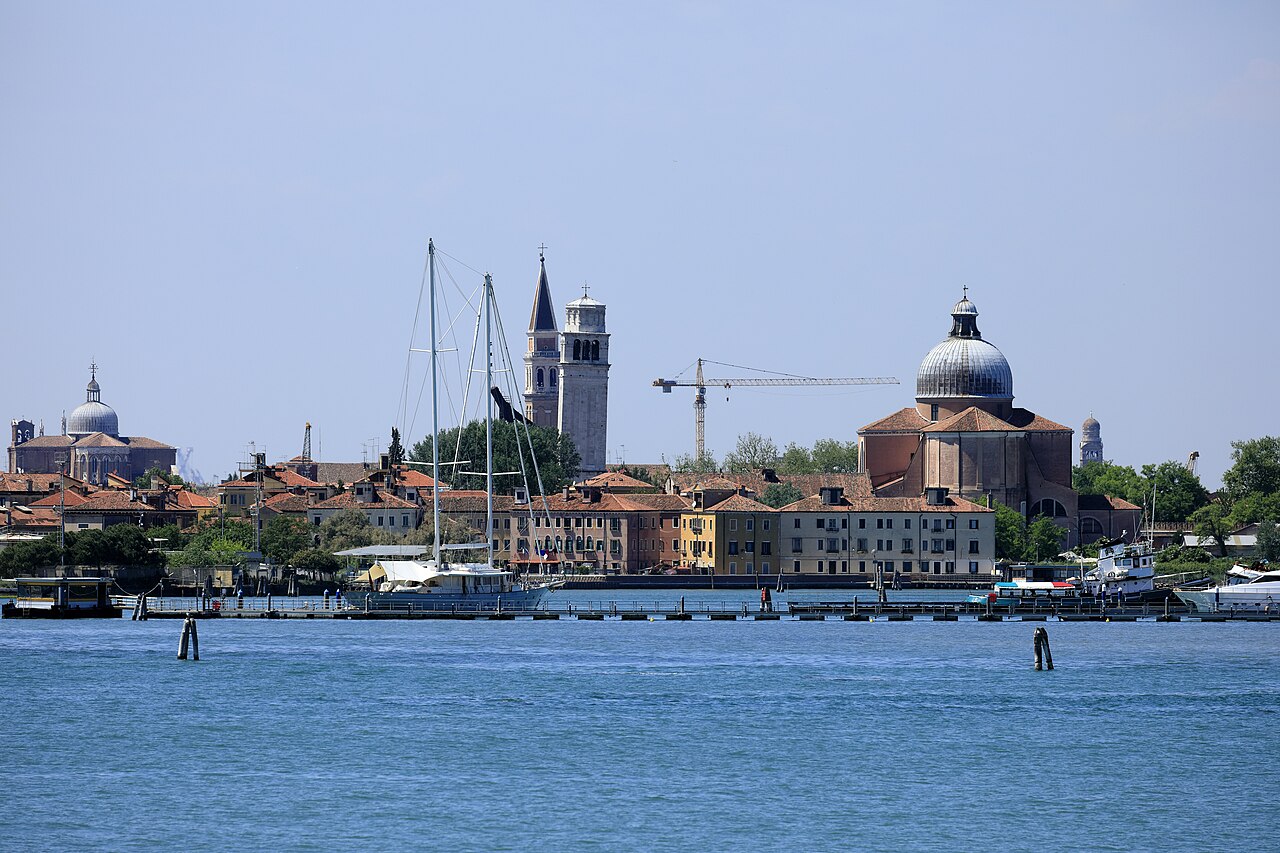
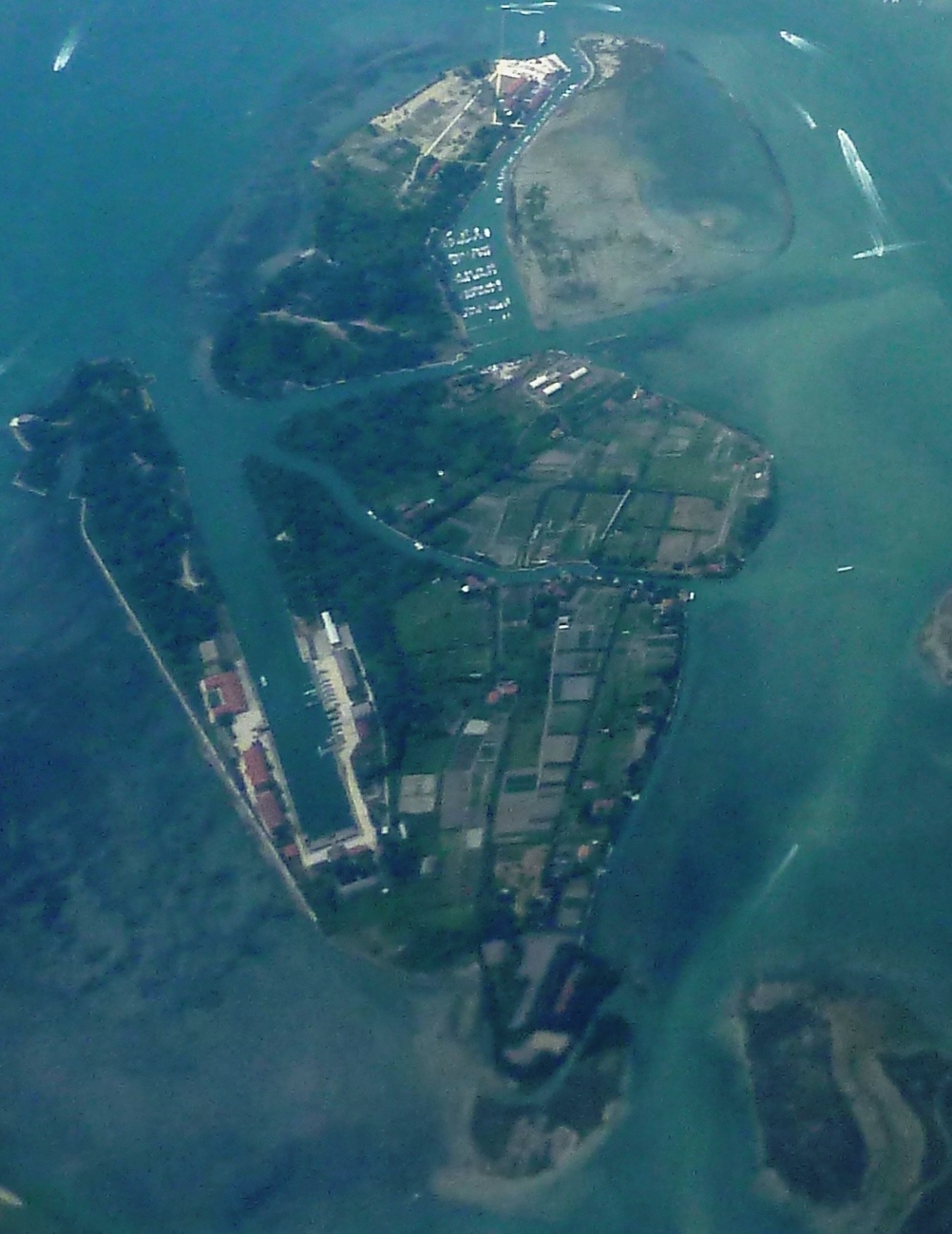
La Certosa lies east of central Venice, close to San Pietro di Castello and Sant’Elena. A narrow channel separates it from Le Vignole, while the nearby waters lead towards Sant’Andrea and the Lido entrance. According to the City of Venice, it covers about 22 hectares.
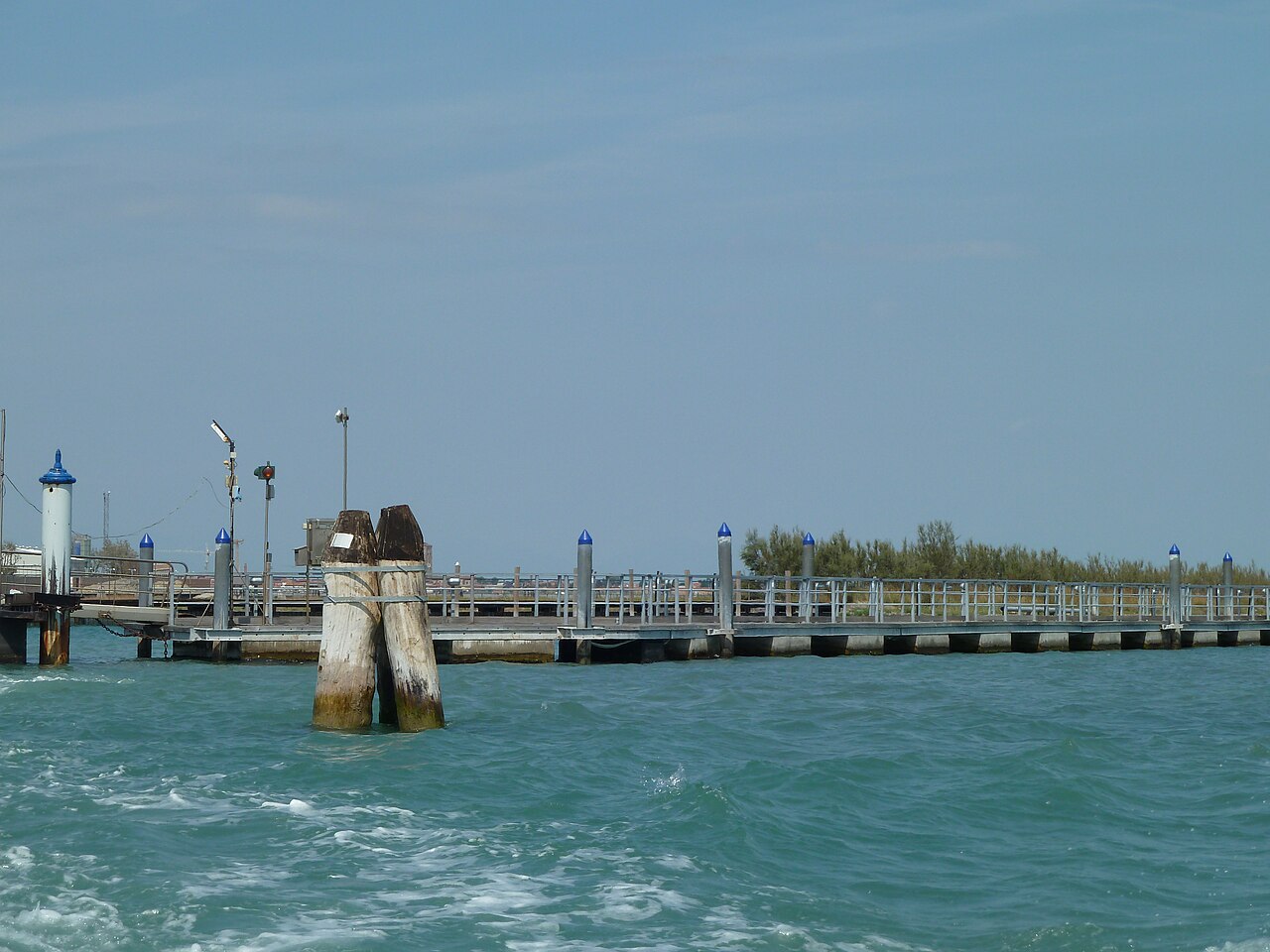
From a boat, its trees and open ground contrast with the compact urban fabric of Venice. Those green spaces also conceal traces of monasteries, military buildings and more recent restoration work.
1199: the first Augustinian monastery
The island’s documented religious history begins in 1199. The bishop of Castello granted land to Domenico Franco, a priest associated with Santa Sofia in Venice, to establish a monastery dedicated to Saint Andrew the Apostle. The first community belonged to the Augustinian order.
Religious settlement required changing the physical island. Channels and banks were adapted, while small gardens and working areas helped sustain daily life. Boats kept the community connected with Venice, despite its separation from the city’s busy streets.
1424: the Carthusians give the island its name
By the early fifteenth century, few Augustinians remained. In 1424, the island passed to Carthusian monks from Florence, with the support of Pope Martin V. They developed a new monastery dedicated to their distinctive contemplative way of life.
The community also associated the island with Saint Bruno, founder of the Carthusian order. Over time, it became known simply as La Certosa, after the Italian name for a Carthusian charterhouse.
This history explains the island’s familiar name, which does not refer to modern sailing facilities or the surrounding greenery, but to a monastic tradition that lasted for centuries.
A vanished monastery with fifteen private gardens
In the late fifteenth century, the Carthusians rebuilt their complex. The City of Venice records a major phase around 1490, including a church associated with architect Mauro Codussi. A cloister was surrounded by fifteen individual cells, each with its own well and small garden.
The layout reveals a lifestyle combining periods of solitude with communal religious practice. Although little of this architecture survives intact, it was once among the lagoon’s carefully organised religious settlements.
Vineyards, vegetable gardens and the plague of 1576
Beyond the monastery walls, the island supported vineyards, vegetable plots and grazing land. Farmers worked alongside the religious community, while the shoreline needed continual maintenance to resist erosion and changing water conditions.
In 1581, work was completed on an embankment surrounding the island’s open ground. These improvements followed difficult years, including the plague of 1576, which damaged buildings and vineyards. La Certosa was secluded, but never isolated from the wider challenges of Venice.
1807: the end of monastic life under Napoleon
In December 1807, the Carthusians were transferred to Bosco del Montello as religious communities were suppressed under Napoleonic administration. Over the following years, the monastery was deprived of artworks and gradually demolished or converted.
Much of La Certosa’s original religious heritage was lost. Its location near the Arsenale made the island useful for a new purpose linked to Venice’s maritime defence.
Military workshops and the Pirotecnica della Certosa
A building used for storing military powder, the Casello delle Polveri, already existed by the seventeenth century. During the nineteenth century the island became a military production and storage site. New facilities were added from 1812, and later workshops were known as the Pirotecnica della Certosa.
Industrial buildings and restricted military spaces replaced much of the former monastery. The munitions works closed in 1958; other military uses continued into the 1960s, with the City of Venice identifying 1968 as their final phase.
Afterwards many structures fell into disrepair, and vegetation spread over areas that had once been maintained for military operations.
Volunteers and the beginning of the recovery
In the mid-1980s, local volunteers organised the Certosa and Sant’Andrea Committee to promote the island’s preservation and public use. Institutional recovery programmes followed in the 1990s, with major work recorded from 1997.
Efforts included protecting banks, clearing neglected land and restoring surviving buildings. The old Casello delle Polveri became a symbol of this long recovery process, which involved citizens, public institutions and later private operators.
What remains of the Carthusian cloister?
The Chiostro dei Conversi is among the most important remains of the monastic complex. It is protected heritage and has required conservation and structural safety work. Because conditions and restoration projects change, access to its interior is not guaranteed.
Visitors should distinguish between seeing historic ruins from permitted paths and entering the protected structures. Some areas may remain closed, even when nearby visitor facilities are operating.
The new marina and the ongoing island revival
From 2004–2005, Vento di Venezia began managing restored facilities, developing the Venezia Certosa Marina and related nautical services. The island now supports boats, workshops, hospitality and leisure activities, alongside environmental and heritage projects.
Its future has been widely discussed. Plans for an urban park include walking routes, habitat conservation and the recovery of agricultural traditions. However, research published in 2026 reports that the planned park was not fully completed or freely accessible in all areas as of 2025. Restoration, public access and commercial uses continue to require a careful balance.
La Certosa is therefore not an abandoned island, but neither should it be presented as an entirely open, finished park.
Can you visit La Certosa today?
Yes, in the areas open to visitors. The working marina and some park facilities can be reached, but redevelopment sites, service areas and certain historic ruins may be restricted. Check current arrangements before planning a walk beyond the main visitor routes.
The operator lists ACTV lines 4.1 and 4.2 for the Certosa stop, which can be on request in winter. Check official directions and the current navigation timetable. A berth or stop at the marina does not grant access to closed areas.
Discover La Certosa from a private boat
Seen from the water, La Certosa connects naturally with the rural island of Le Vignole and the defences around Sant’Andrea. Its changing uses are part of the wider story of the Venetian Lagoon.
For the more relaxed side of the island, read our guide to nature and lagoon life on La Certosa. The island is also a stop in the Pleasant Encounters boat experience.
Want to discuss a customised route? Explore our private boat experiences or contact us. Stops and access depend on the available docks, permissions and navigation conditions.
Read other island histories in History of the Venetian Lagoon Islands.
Frequently asked questions
Why is the island called La Certosa?
Its name comes from the Carthusian monks who arrived in 1424 and developed a charterhouse here.
When did the monastery close?
The Carthusian monks were transferred in 1807, and the complex was progressively dismantled or converted for military purposes.
Is La Certosa abandoned?
No. The island has an active marina and visitor services, although restoration and access restrictions still affect some areas.
How do you reach La Certosa from Venice?
ACTV lines 4.1 and 4.2 normally serve Certosa. In winter, the stop may be on request; always verify the latest official timetable.
Historical sources and photo credits
Sources: City of Venice – La Certosa history; Vento di Venezia – island timeline; Art Bonus – cloister conservation; Sustainability Science – 2026 research. Featured photograph: Falk2 / Wikimedia Commons, CC BY-SA 4.0; resized to 1280 px. Other images credited in captions.